The content of this article is compiled from online sources and books.
In October 1971, Pink Floyd brought their instruments into the ancient Roman amphitheater in Pompeii, Italy.
The stone tiers surrounded them, and the performance sold no tickets to the general public. Director Adrian Maben's camera focused on four people: guitarist David Gilmour, bassist Roger Waters, keyboardist Richard Wright, and drummer Nick Mason. What we later saw in the film Live at Pompeii was a band playing in an almost empty ancient site, with sound passing through amplification equipment into a space that had long lost its original purpose.
They had not yet released The Dark Side of the Moon. That beam of light passing through a prism had not yet become a marker on countless record shelves. The handshake of Wish You Were Here, the flying pig of Animals, and the high wall of The Wall were all still in the future.
At this moment, they had Echoes. A clear note sounds repeatedly, drums, bass, and guitar gradually join in, and the music slowly unfolds. Over more than twenty minutes, the sound can make people feel close to each other, or make familiar outlines disappear.
Both of these feelings later entered the history of Pink Floyd.
I. After the War, Children Listening to Records
The Child is father of the Man.
—William Wordsworth, My Heart Leaps Up
The end of the war did not immediately bring a comfortable life. In 1954, the British Parliament was still discussing when meat and bacon rationing would finally end, and the government gave a date in the first half of July that year.
The generation that later stepped onto the rock stage grew up almost entirely in such a society, one gradually restoring supplies and rearranging life.
For Roger Waters, the war left a more specific absence.
His father, Eric Fletcher Waters, died in World War II on the Italian front, in operations related to the Anzio landings. Many years later, his father's absence would repeatedly enter his work. When understanding those songs, one can first remember a fact: grand war narratives, when they land in a specific family, often become a person who can never return home.
Syd Barrett, on the other hand, grew up in a Cambridge family that encouraged music and painting. His real name was Roger Keith Barrett, born in 1946. As a child, he played piano with his sister Rosemary, and later picked up the guitar. In an official 1949 photograph, two children sit in front of toys, smiling. The man in rock history surrounded by legend was, at this time, just a child in an ordinary family.
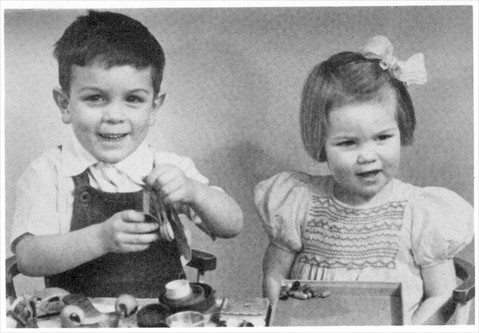
Figure 1 | Roger (later known by the stage name Syd) and his sister Rosemary, January 1949. Image archived by the official Syd Barrett website.
He became acquainted with Waters very early, and in his youth also met Gilmour. Listening to records, learning chords, and forming small bands with friends gradually caused several originally independent lives to intersect. Their long future collaboration and conflict carried the weight of this early familiarity: the other had seen what one looked like before becoming famous.
London provided other conditions for encounters. Waters, Wright, and Mason came together in student life at Regent Street Polytechnic, while Barrett went to Camberwell to study art.
Schools brought young people from different places into the same city, providing opportunities for socializing, rehearsing, and performing. In the university history preserved by the University of Westminster, student concerts and course expansion appear side by side; rock music grew just outside the daily routines of educational institutions.
By 1965, the four-member lineup of Barrett, Waters, Wright, and Mason had gradually stabilized. The name Pink Floyd pieced together the names of two American blues musicians, Pink Anderson and Floyd Council. This combination, which later evoked the cosmos, machinery, and massive stages, also began by learning from blues and rhythm and blues.
They first inherited other people's voices, then bit by bit discovered their own accent.
II. Syd Opened the Boundaries of a Song
To see a World in a Grain of Sand, And a Heaven in a Wild Flower.
—William Blake, Auguries of Innocence
In London in 1966, music, lighting, experimental film, and underground publications were drawing closer to one another. Pink Floyd developed longer improvisational passages in the "Sound and Light" performances at All Saints Church Hall, and subsequently became an important early band at the UFO Club.
Such venues changed the purpose of songs. People could move to the rhythm, or watch projections for a long time, letting their attention rest on a distortion, a repetition, or a place where the sound suddenly turns. Beyond three minutes, there was still space to explore. Performers needed to judge when to continue, when to hold back, and when to let someone else take over what was happening.
Syd's imagination suited such an environment. In Interstellar Overdrive, after the theme appears, the instruments disperse in different directions; Astronomy Domine lets singing and instruments together create a distant scale. He could also write short, strange songs with the flavor of English nursery rhymes. Childhood stories, people around him, and illogical images could live side by side in his work.
In 1967, the band signed with EMI, and "Arnold Layne" and "See Emily Play" brought them to a wider public. Their first album, The Piper at the Gates of Dawn, released the same year, placed short songs alongside long experimental passages; the album title came from a chapter of The Wind in the Willows. In those later, heavy and massive Pink Floyd works, there is still a light, playful side here.
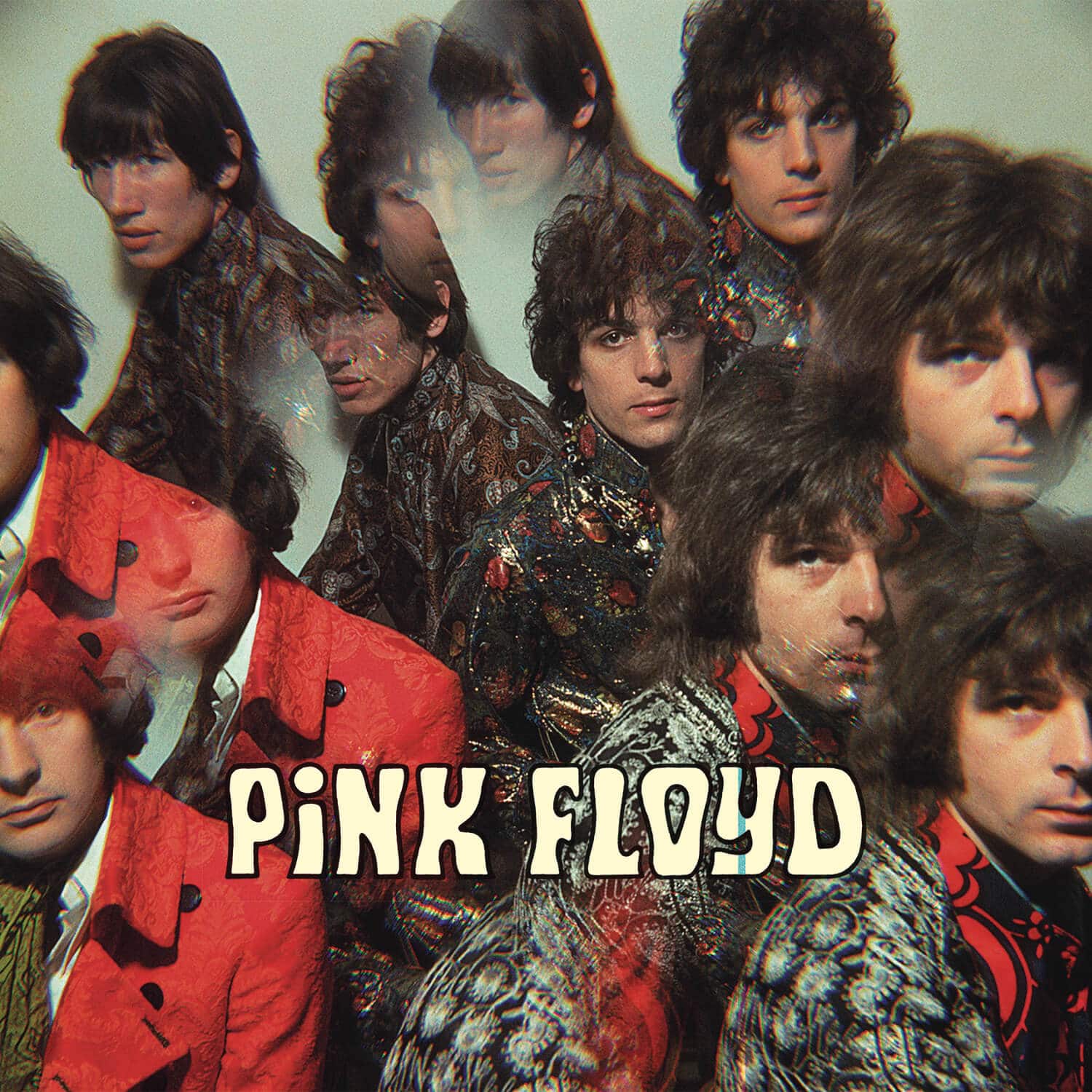
Figure 2 | The Piper at the Gates of Dawn, 1967. Cover photography by Vic Singh; image from the band's official website.
Vic Singh's cover for the first album overlapped the members' faces. It is difficult for the viewer to recognize each person at once; the fragmentation and color of the image reach the eye first. Before the music begins, the cover already hints: the perception that follows may not remain steady.
Fame also changed how they worked. Clubs allowed a piece of music to find its direction during performance, while television appearances and single releases had fixed times and requirements. One success required arranging the next appearance, and a popular song brought the expectation to deliver more work. After the band entered the record industry, their formerly loose life was gradually filled with performance schedules.
In late 1967, Syd's condition made collaboration increasingly difficult. Friends left different memories of this change, and later generations layered many interpretations onto it. What can be confirmed is that the band began seeking help from another guitarist; on the basis of onstage abnormalities and accounts from many years later alone, no complete medical judgment can be made for him.
Gilmour was invited to join during this period. In January 1968, they briefly performed as a five-piece, after which Syd no longer took part in the band's regular performances. A familiar friend took over the guitar position, and a band on the rise thus lost the person who had first opened its direction.
III. The Four Who Remained Had to Learn to Write Songs Again
No man is an island, entire of itself; every man is a piece of the continent, a part of the main.
—John Donne, Devotions upon Emergent Occasions, Meditation XVII (translated from the original)
After Syd left, Pink Floyd faced very practical work problems: who would write the next record, and how would they fill the time onstage.
Their 1968 album A Saucerful of Secrets retains traces of this transition. Syd still took part in some of the recordings, and "Jugband Blues" remained at the end of the record. At the same time, Waters, Wright, Mason, and Gilmour began searching for a new way to collaborate. The concept for the long title track was once drawn as a structure diagram on paper by Mason and Waters, arranging intensity and progression first before considering specific sounds.
This detail says a great deal about their change. A piece of music can begin with a melody, or it can first have a route of rising, breaking apart, and calming down. The drums do not always have to maintain a danceable beat, the keyboards can let a harmony hang in the air for a long time, and the guitar can stretch a single note into something with shape.
The attempts that followed were not neat. Ummagumma in 1969 placed live performances and each member's individual recording experiments into a double album. Atom Heart Mother in 1970 brought in Ron Geesin to handle brass, choir, and larger-scale arrangements. Listening back today, one can hear ambition, clumsiness, and certain ideas that had not yet been fully developed.
A mature sound often has to pass through this stage. When a group loses its original creative center, those who remain must take on the parts they had not taken on before. Waters became increasingly skilled at organizing themes, Gilmour brought a melodic sense to the vocals and guitar, Wright left soft, complex layers in the harmonies, and Mason kept long passages at a rhythm that could still walk.
By Meddle in 1971, these abilities finally achieved a more complete coordination in "Echoes." The band gathered and developed fragments from their individual experiments into a work that occupied an entire side of the record.
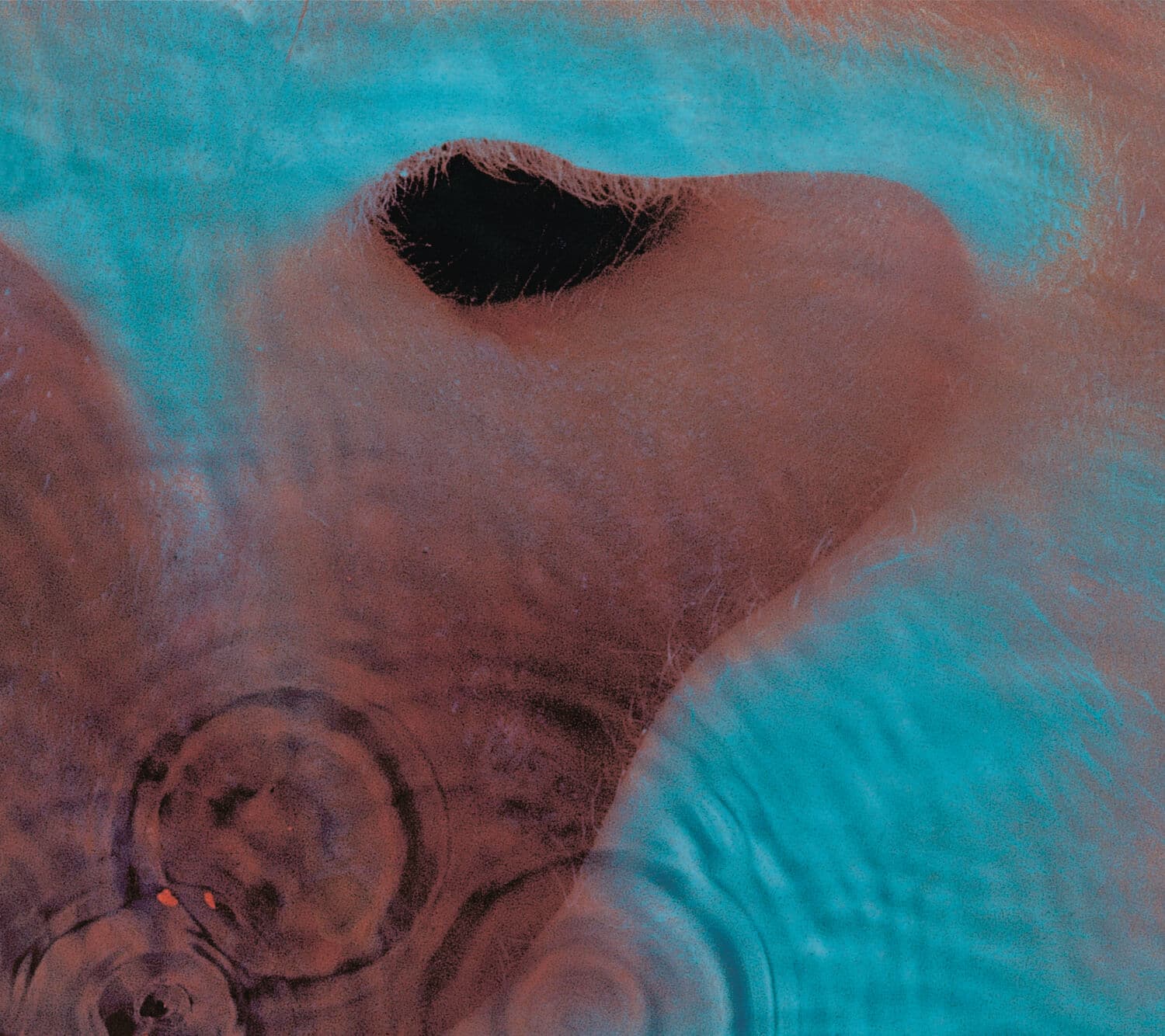
Figure 3 | Meddle, 1971. Cover produced by Hipgnosis; image from the version displayed on the band's official website.
Listening to "Echoes," pay attention to the time before the vocals enter. The instruments first establish distance, then the sounds of Gilmour and Wright draw near. The middle section gradually loses its familiar direction, and when the theme returns, the listener has already passed through a long wait. The same melody carries a different weight because of what happened in between.
The Pompeii filming documents them during this period. The film was released in 1972, with the main performance shot the previous year and additional material filmed later. The empty theater makes every action especially clear: striking, plucking, adjusting equipment—sound arises from concrete labor. What was later called "grand" still had to be completed by four people hearing each other at the time.
IV. Wright's Chords, and the Day Everyone Will Meet
Tomorrow, and tomorrow, and tomorrow, creeps in this petty pace from day to day, to the last syllable of recorded time.
—William Shakespeare, Macbeth
"The Dark Side of the Moon" was released in 1973. Before that, the band had already brought its early form to the stage, playing and adjusting it repeatedly; what the studio ultimately preserved was the result of selection and reorganization.
Waters put experiences of time, work, money, conflict, and death into the lyrics. The subject matter became very everyday. We may not understand early psychedelic culture, and we can still find a connection to this record in going to work, waiting, exhaustion, and worry about the future.
The anxiety in "Time" is especially likely to change with age. When you hear those bells when young, perhaps you only find them startling; years later, listening again, you suddenly understand how time slips away between one small must-do task after another. When Waters later spoke about this song, he said he had once thought life was still in the preparation stage, until he discovered that life was already underway. This realization gave abstract time a person's body temperature.
Wright's contributions, by contrast, are often hidden beneath the language. His keyboard harmonies give "Us and Them" broad space, and also give the emotion of "The Great Gig in the Sky" somewhere to unfold. Guitar solos are easy to remember; chords are more like light in the listening experience: they change the color of the whole song, yet listeners may not immediately ask who made them.
Recording engineer Alan Parsons was also an important participant in this story. The schedule preserved at Abbey Road reduces the famous sound to individual workdays that can be checked. On January 21, 1973, Clare Torry recorded the vocals for "The Great Gig in the Sky" in Studio Three; in February, sound effects, transitions between tracks, and master editing were completed one after another.
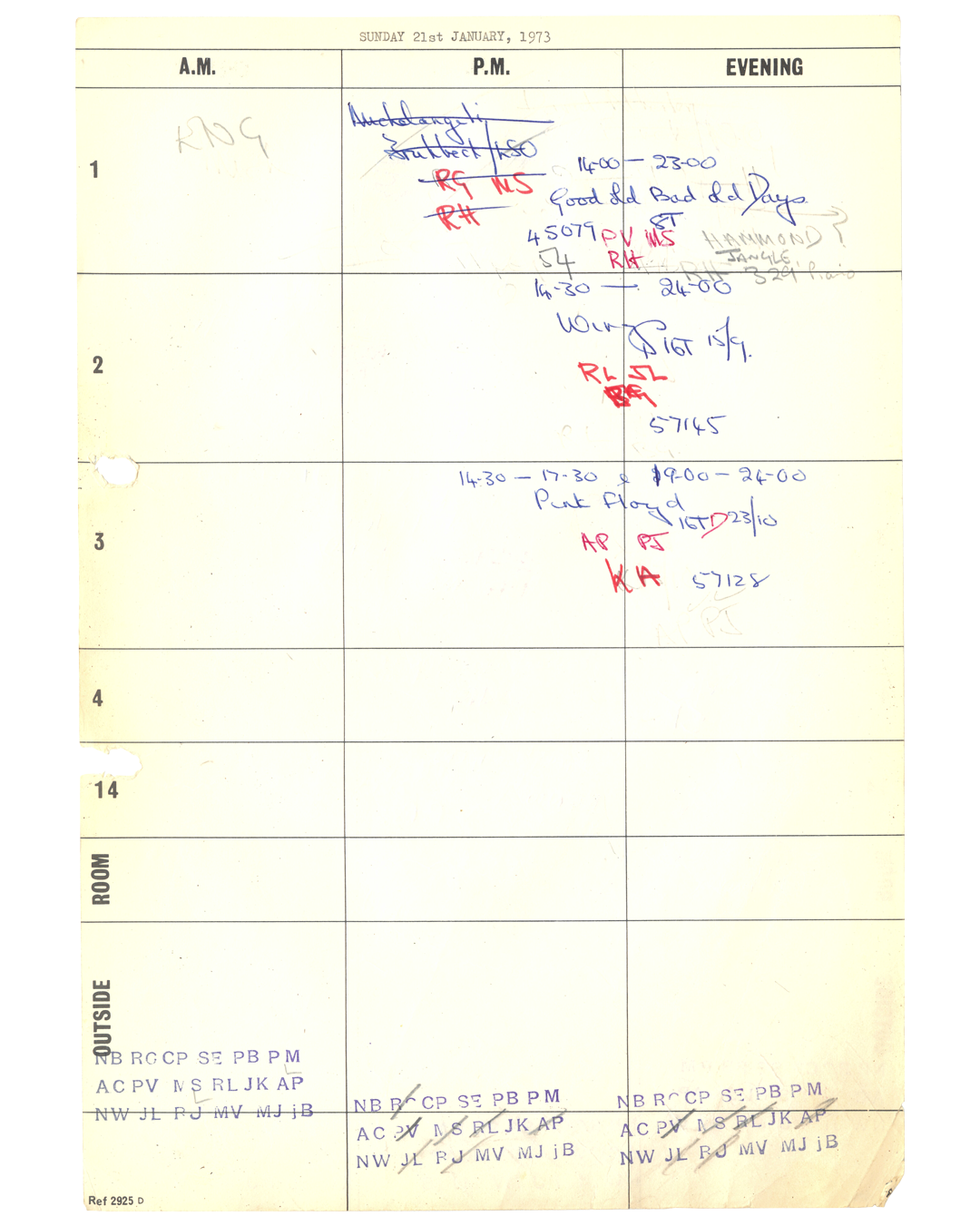
Figure 4 | The work record for January 21, 1973, at Abbey Road. The studio's official archive corresponds this day to Clare Torry's recording.
Torry did not tell the story with complete lyrics. Her voice moves from tentativeness to eruption, then gradually loosens. Human breath, exertion, and pauses are already enough to let listeners feel an emotion close to some limit. Such a passage reminds us that the establishment of a "concept album" also depends on performances that cannot be explained by concept alone.
The loop of "Money" brings in a mechanical rhythm, and bass and guitar then catch it. "Us and Them" spreads the sound into the distance; two adjacent scales give the record breathing room. Themes connect the songs, while track order, sound effects, and transitions make them into one continuous experience.
On vinyl, this continuity also preserves a physical action: after finishing one side, get up and turn it over. The music pauses for a moment, the sounds of the room return, and then the needle drops and another journey begins. The album's structure is remembered in the hands through these actions.
V. A Beam of Light, Keeping Complex Music on Paper
All art is at once surface and symbol.
— Oscar Wilde, Preface to The Picture of Dorian Gray
The cover of "The Dark Side of the Moon" has almost no narrative scene. Against a black background, a beam of white light enters a triangle, and a colored spectrum unfolds on the other side. Even shrunk very small, it remains easy to recognize.
This simplicity came from a specific commission. According to Aubrey Powell's recollection provided to the V&A, Wright wanted the next cover to be clear and concise, and once used a black-and-white packaged chocolate box as an example. Hipgnosis's Powell and Storm Thorgerson then drew inspiration from an optical image in a physics book, and George Hardie also took part in making the final graphic.
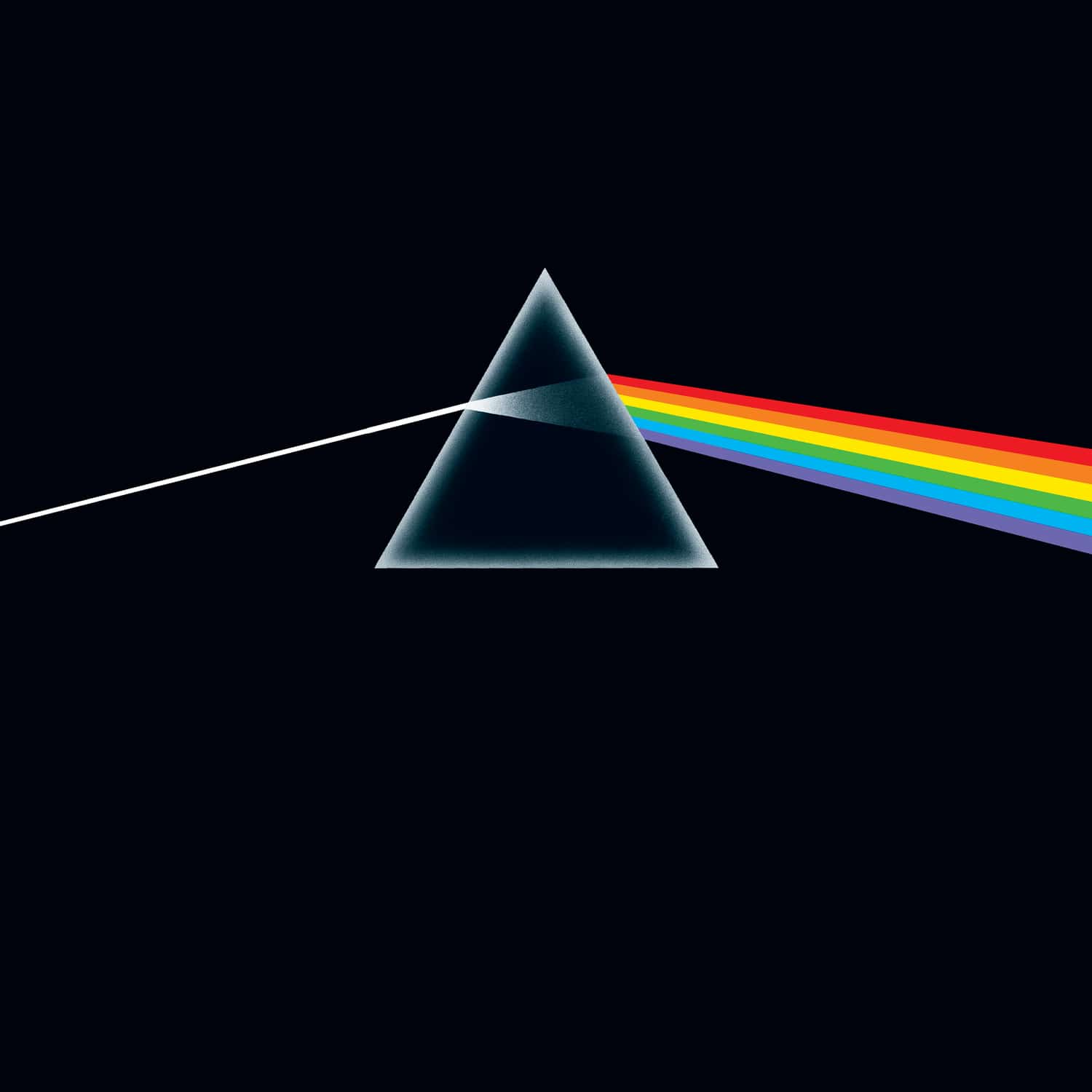
Figure 5 | "The Dark Side of the Moon," 1973. Artwork credited to Hipgnosis and George Hardie; this is the prism image version currently used on the official website.
A physical phenomenon gave the sound a sufficiently open appearance. We can see the spectrum as stage lighting, or think of different components within a whole; the image does not require everyone to arrive at the same interpretation. The complex recording thus gains a concise entrance, and room for imagination remains between graphic and music.
Pink Floyd's covers thereby entered public life. Some people first saw it in a record store; others recognized it years later from a poster or clothing. Images can travel farther than the members' faces, and can also bring people encountering the band for the first time back to the sound itself.
Success expanded this transmission while also placing pressure on the next record. The four had already proved they could complete a tightly knit work, and the outside world began waiting for another achievement of the same scale. Such expectations do not automatically tell musicians what to play the next day when they walk into the studio.
The 1975 "Wish You Were Here" wrote this discomfort into the record. "Welcome to the Machine" and "Have a Cigar" confront the language and relationships of the music industry; "Shine On You Crazy Diamond" grows from Gilmour's four-note guitar motif into a long work dedicated to Syd. It makes the beginning and end of the album echo each other, lingering for a long time beside someone who is already absent.
Regarding this album, "absence" is a broader theme than "missing someone." A person can leave the band, or sit next to familiar companions yet find it increasingly difficult to enter into shared work. Those slow instrumental preludes make waiting itself a part of the music.
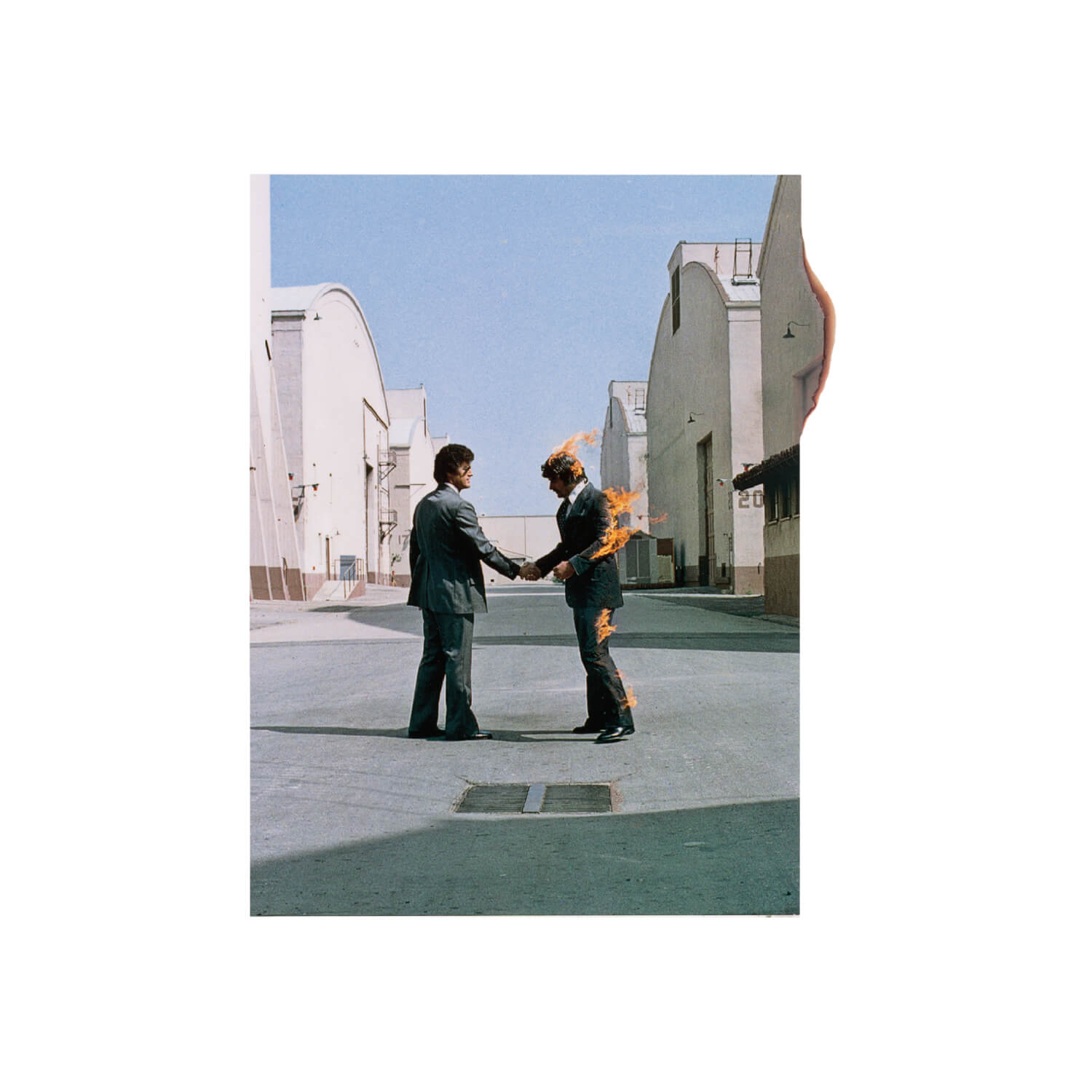
Figure 6 | "Wish You Were Here," 1975. Art credited to Hipgnosis and George Hardie, using the official website cover version.
On the cover, two men in suits shake hands, one of them on fire. Ordinary commercial courtesy and danger appear side by side, making it hard for the viewer to comfortably accept this meeting. The record was initially covered by black plastic packaging with a handshake pattern on the outside: an album about absence first hid its own image.
This design made the buyer perform an extra action. Only after unwrapping the packaging did the image appear; dropping the needle, the slowly unfolding prelude demanded even more waiting. The work did not rush to give everything away.
Six, Pigs Over the Factory, and Anger in the Stadium
All animals are equal, but some animals are more equal than others.
—George Orwell, Animal Farm
By the mid-1970s, British society experienced inflation, unemployment, and labor conflicts. Pink Floyd's performances continued to expand in scale, while Waters' writing more directly confronted power and competition.
1977's Animals used animal fables to place dogs, pigs, and sheep into human social relations. It was inspired by Orwell's Animal Farm while retaining Waters' own observations. Listening to these songs, one can note how characters learn to obey, attack, or protect themselves, and how competition slowly enters human habits.
In "Dogs," Gilmour's guitar maintains tension and flow across long passages; "Sheep" lets repression gradually accumulate until the rhythm drives a change in the situation. "Pigs on the Wing," sandwiched at both ends of the long tracks, is much shorter, leaving room for personal relationships within the cold social landscape. A person still needs to be cared for, and also needs to know whom they can care for.
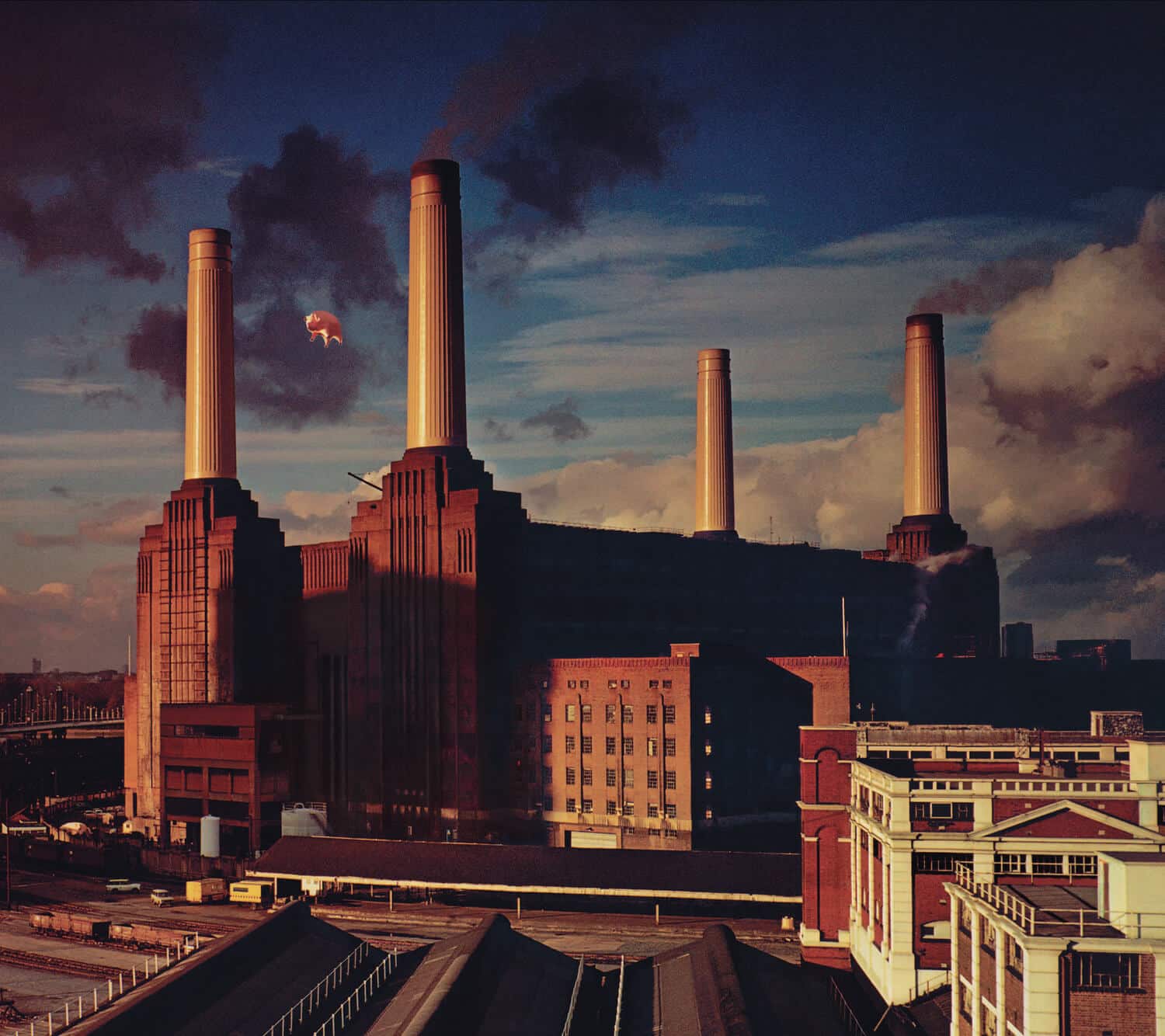
Figure 7 | "Animals," 1977. Cover concept by Roger Waters, realized by Hipgnosis; the image shows the official website display of the original composition.
Waters chose Battersea Power Station as the cover location, placing an inflatable pig between the chimneys. That massive industrial building has real weight, while the flying pig suddenly deviates the everyday landscape from common sense. During production, the balloon once broke free from its moorings; the final image combined sky and flying pig elements from different shooting days. The natural feel in the photo came from arrangement, waiting, and darkroom work.
The same year's tour brought the music into increasingly larger venues. In Waters' recollection, the noise, pyrotechnics, and commotion of the audience in stadiums gradually overwhelmed the listening relationship he hoped to establish. At a July 1977 concert in Montreal, he spat at an audience member. This embarrassing act later became a significant trigger for the concept of The Wall.
In a 1979 BBC interview, Waters also directed responsibility at the band itself. He admitted that the economic interests of large-scale performances contributed to this alienation. The stage came closer to more people, but the performers did not necessarily feel communication.
The imagined wall grew from here: if they could no longer hear each other, then let that layer of isolation become visible.
Seven, The Wall Gets Higher, Collaboration Gets Narrower
Before I built a wall I'd ask to know / What I was walling in or walling out.
—Robert Frost, "Mending Wall" (from North of Boston) (translated from the original)
1979's double album The Wall has the fictional rock star Pink look back on his life. His father's absence, school's oppression, failed intimate relationships, and stage life gradually become his defenses. Each experience adds a bit of thickness, finally separating him from others.
This character carries Waters' personal experiences, also dramatized and reorganized. The mother, teacher, and lover in the songs should be understood within the work. Treating each character as an accurate portrait of a real person would reduce the album's expression and easily misread creation as biography.
Producer Bob Ezrin helped organize the vast material, James Guthrie participated in recording and production, and Gerald Scarfe's images gave the teacher, mother, and various authority figures a sharp appearance. The Wall we remember is completed by songs, narrative, sound, and visuals together.
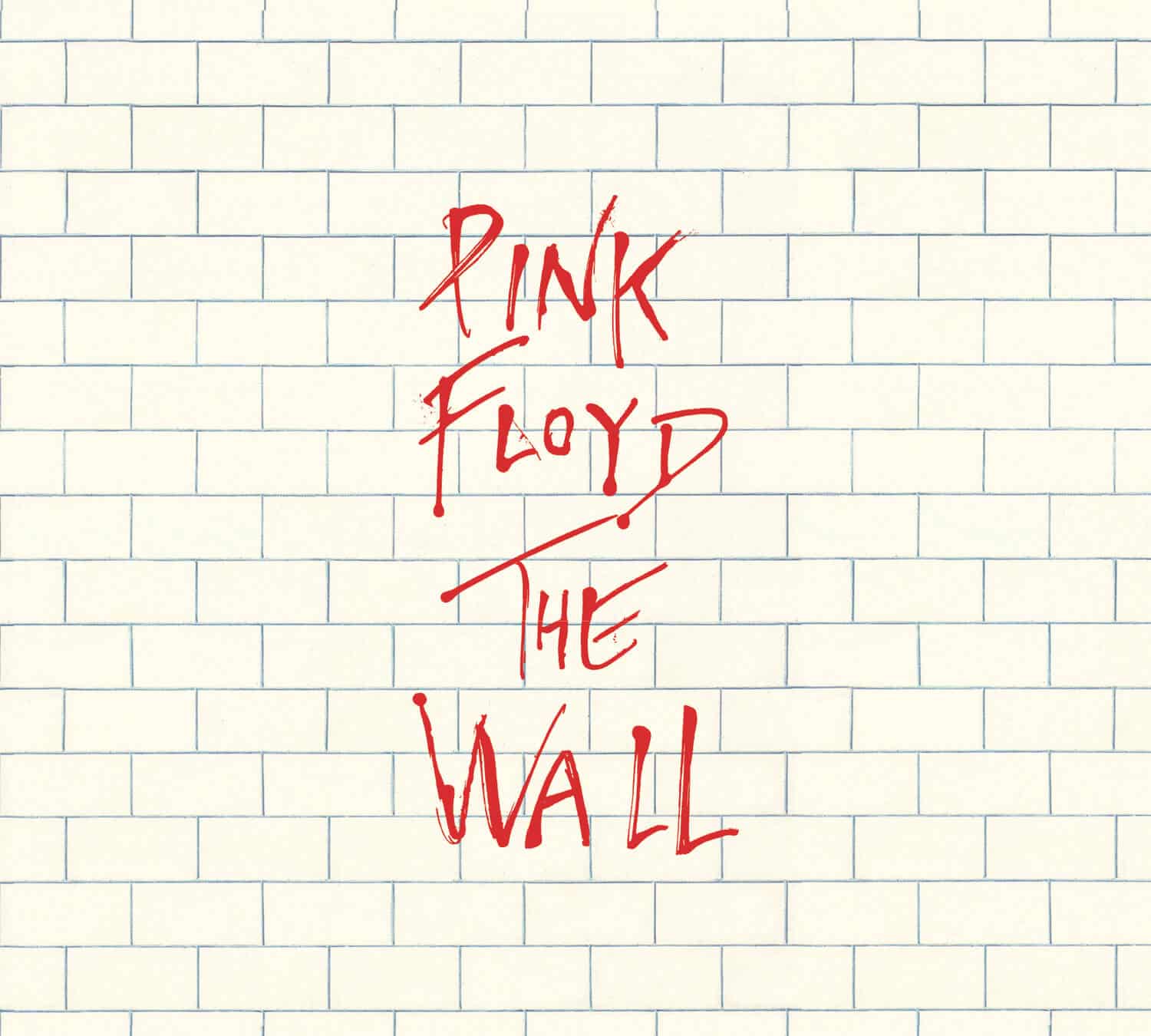
Figure 8 | "The Wall," 1979. Cover concept by Roger Waters, realized by Gerald Scarfe; the official website display version is used here.
"Another Brick in the Wall, Part 2" is easily heard in isolation as a cry of rebellion, but placed back in the complete album, it also connects to Pink's formative experiences. How a child feels processed by the system, and how an adult brings that experience into later relationships, are questions that continue beyond the song.
"Comfortably Numb" preserves the power of Waters and Gilmour's collaboration. The musical ideas and lyrics took shape through back-and-forth between the two, and the two voices create distance between the questioning and the inner feeling. Gilmour's solo allows the emotion to continue developing; after the words stop, the listener is still left in that state.
This collaboration had already become very difficult. Years later, when members recalled the recording sessions, they each had different accounts of who did what and who should bear responsibility. What can be confirmed is that Wright lost his status as a member during the production of The Wall, and later participated in performances as a salaried musician. The person who had previously contributed important harmonies and compositions to the band was still sitting behind the keyboard, but his position had changed.
The stage version literally built the wall. The performances that began in 1980 let the audience watch as the barrier gradually blocked the band, until it finally fell. The very process of creating separation became a performance that consumed enormous manpower and equipment. The audience could release their emotions as the wall collapsed, but after the show ended, the problems among the members still had to be faced.
Looking back at this period, there is an unsettling closeness between the work and their lives: they wrote about the inability to communicate more and more clearly, while their own collaboration became harder and harder to maintain.
8. Who Can Carry This Name Forward
What's in a name? That which we call a rose by any other name would smell as sweet.
—William Shakespeare, Romeo and Juliet, Act II, Scene II (translated from the original)
The 1982 Falklands War (Malvinas/Falklands) influenced Waters' subsequent writing. In 1983, The Final Cut brought together anti-war stance, anger at political leaders, and commemoration of his father, becoming the last Pink Floyd studio album he participated in as a member.
The distance of war was shortened here once again. The child who had lost his father early had become a musician able to speak to the world; when a new war appeared, the questions he wrote were still connected to that family's void. This thread spans decades and also allows Pink Floyd's grand sound to always return to personal loss.
In 1985, Waters announced his departure. Gilmour and Mason chose to continue using the name Pink Floyd, and the two sides later argued over the band's continuation. For listeners, a name might mean a few familiar records; for the members, it also contains labor, relationships, creative rights, and future lives.
In 1987, A Momentary Lapse of Reason was released. Gilmour continued to make records with more collaborators, and Wright also drew closer to the band again and took part in the subsequent tour. Pink Floyd's sound thus acquired a new center of gravity: guitar melodies, broad textures, and vocals stood out more than the earlier, highly concentrated personal narratives.
By 1994's The Division Bell, Wright had again become an important part of the creative process, and Polly Samson also participated in writing lyrics. Communication and alienation remained in the work, but the way they were expressed had changed. "High Hopes" looks back to the past, linking familiar places with a time that cannot be returned to.
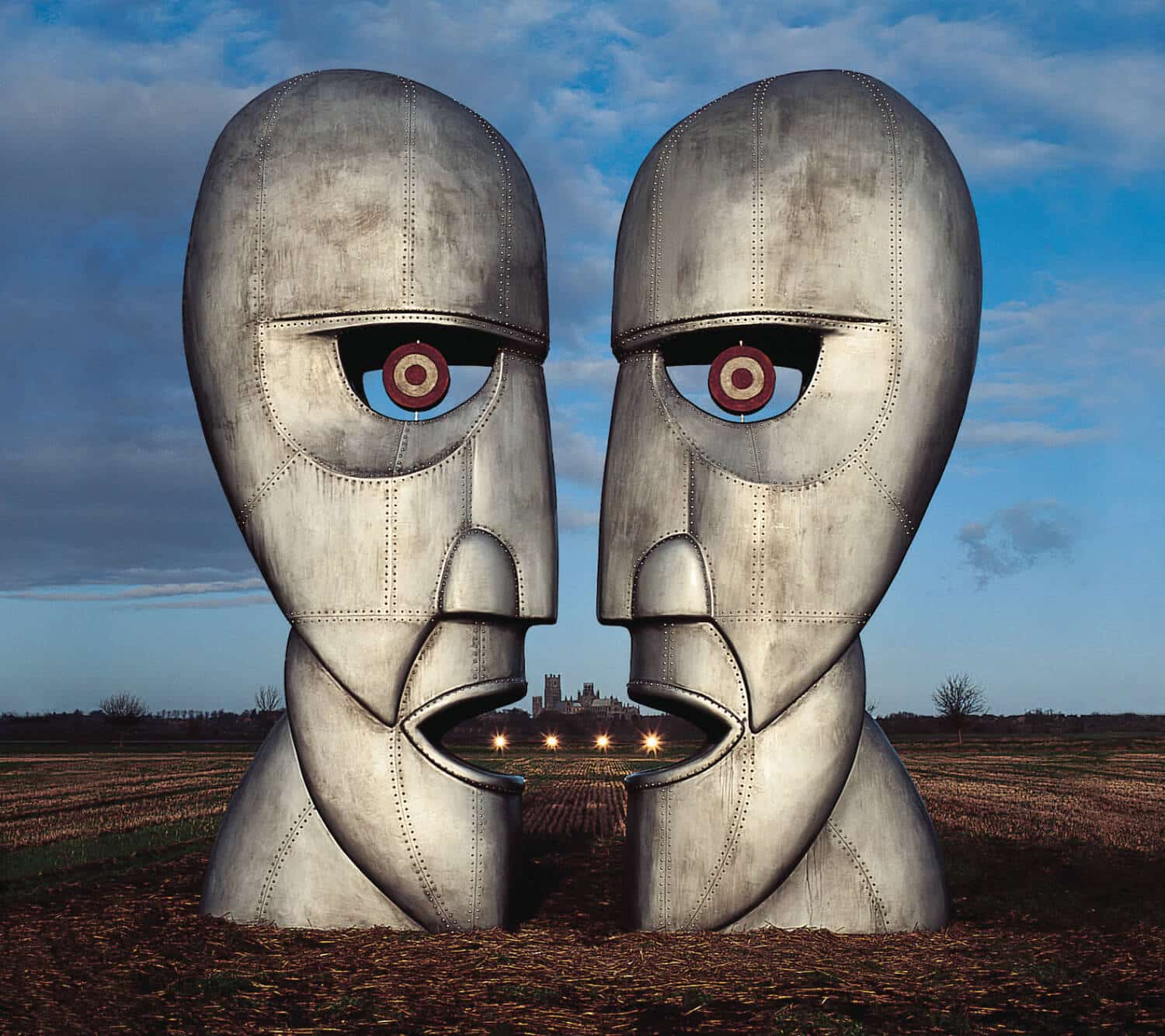
Figure 9 | The Division Bell, 1994. Cover designed by Storm Thorgerson; image shows the version displayed on the band's official website.
The two heads on the cover stand facing each other, and when you step back, they can also form a face looking toward the viewer. Between two people and a whole, there is an unstable transformation. For a band that had experienced division, this is an image one can linger over for a long time: how something shared is composed of different people, and how distance remains in between.
On July 2, 2005, Waters, Gilmour, Wright, and Mason shared the stage again at the Live 8 concert in London's Hyde Park. "Breathe," "Money," "Wish You Were Here," and "Comfortably Numb" temporarily reconnected the years they had spent apart.
This reunion did not smooth over the past, nor did it develop into a lasting four-person collaboration. Its weight came precisely from its brevity. Those familiar vocal parts were once again caught by familiar people, and the audience could see how a shared experience could still be played out.
9. In the Echoes, There Are Still Places Left by Others
Softly, the song fades, but the music still echoes in memory.
—Percy Bysshe Shelley, "To—" (in Posthumous Poems) (translated from the original)
Syd died in 2006, and Wright in 2008. The early creative partners gradually became people of memory, yet the recordings preserve what they actually did.
In 2014, Gilmour and Mason completed The Endless River based on unused recordings from the 1993 The Division Bell sessions, as a tribute to Wright. The old material was organized and supplemented, becoming a largely instrumental record.
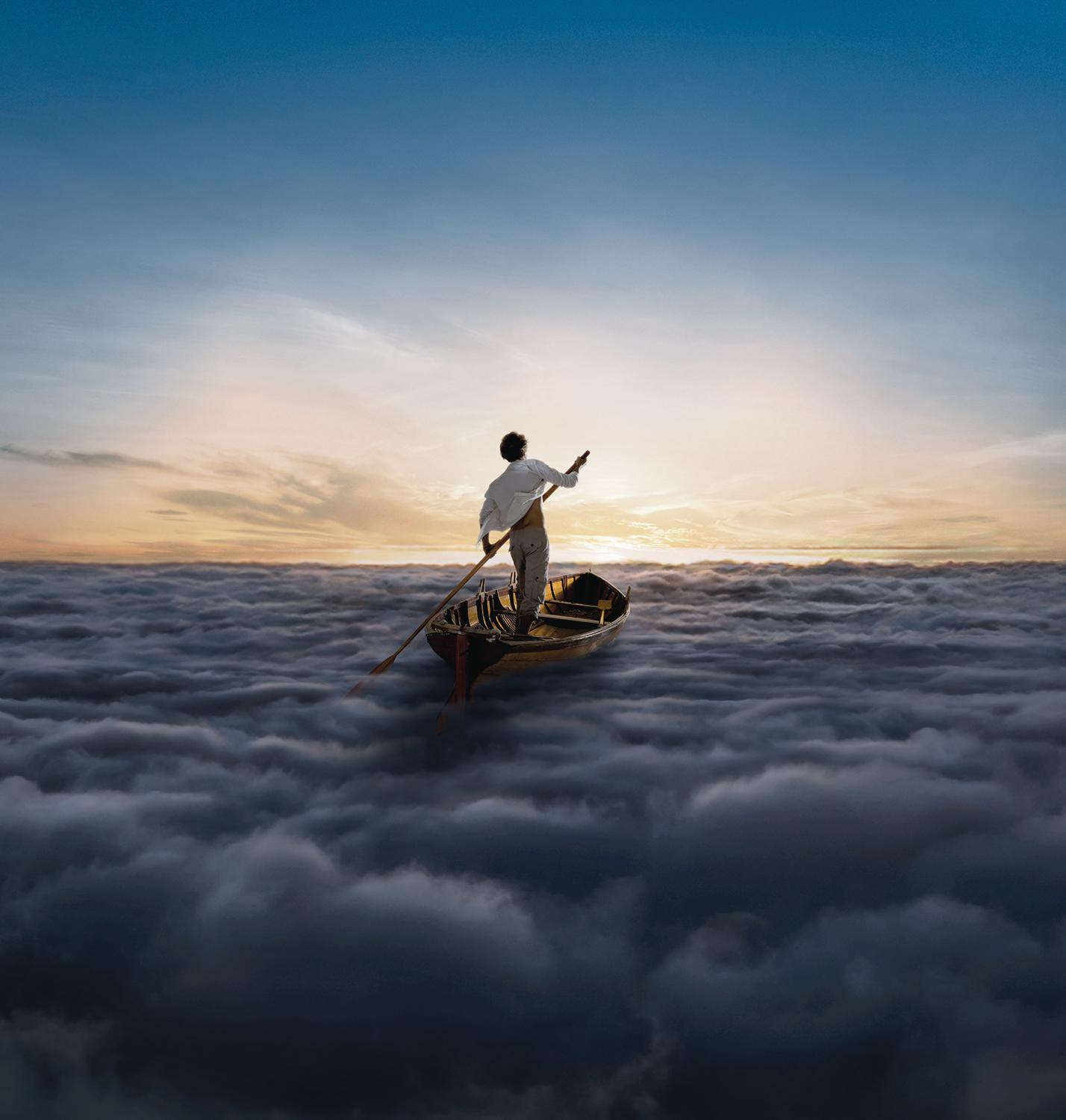
Figure 10 | The Endless River, 2014. Image shows the official cover artwork included on the band's official website; the boat on the clouds is part of the cover design image.
Such works are suited to making people notice the keyboard again. A sustained chord, an inconspicuous entrance, may determine whether the entire passage of music can unfold. Usually we follow the lead singer and the solo forward, and only after a certain voice has left do we hear more clearly what it once supported.
If you are listening to Pink Floyd in full for the first time, you can first give "The Dark Side of the Moon" an uninterrupted stretch of time, then go to "Wish You Were Here" to hear waiting and absence. To get to know Syd's imagination, go back to "The Piper at the Gates of Dawn"; to hear how the four built rapport through experimentation, you can put "Meddle" together with the Pompeii film.
"Animals" is suited to paying attention to the propulsion within the long pieces, while "The Wall" needs to be heard continuously with its story. Once these sounds have become familiar, then go listen to "The Division Bell" and "The Endless River", and it becomes easier to notice how certain familiar textures were reorganized as members and relationships changed.
The differences among these records are worth preserving. Syd's lightness and grotesqueness, Waters' narrative and questioning, Gilmour's melody, Wright's harmonies, Mason's rhythm, together constitute a history that cannot be reduced to a single person. The centers of gravity left by different periods also let the same name contain many kinds of listening experience.
It may be hard for us to judge exactly from which moment a band began to separate. Sometimes, the person has already left, yet the sound still influences later works; sometimes, several people are still standing on the same stage, but a great distance has already opened between them.
Return to Pompeii again. The stands are empty, four people play with their heads down, and the music is still searching for where the next passage should go. At that time, neither the records that would bring them to more listeners nor the disagreements that would later prove difficult to resolve had yet arrived.
Today, when the needle drops, we can still hear that process of moving forward together. One person makes a sound, another catches it, and the drumbeat enters at the right place. The echo, after a long stretch of time, finally reaches a new room.
References
This article mainly checked the official chronology, album materials, studio archives, and interviews with those involved. The materials actually used are listed below; the listening impressions and image interpretations in the text are the author's observations.
- UK Parliament Hansard: Meat and Bacon Derationing Reply, 17 February 1954.
- Municipality of Anzio, Italy: Roger Waters' letter about commemorating his father.
- University of Westminster: University history and student music activities at Regent Street Polytechnic.
- Syd Barrett official website: Syd's Life, used for family, education, early band activities, and birth/death information; individual old record release information was cross-checked with official band sources.
- Pink Floyd official archive timeline: 1967, 1968, 1971, 1980, 1985, 1987, 1994, 2005.
- Pink Floyd official early album information: The Piper at the Gates of Dawn, A Saucerful of Secrets, Ummagumma, Atom Heart Mother, Meddle.
- Pink Floyd official album information: The Dark Side of the Moon, Wish You Were Here, Animals, The Wall.
- Pink Floyd official later album information: The Final Cut, A Momentary Lapse of Reason, The Division Bell, The Endless River.
- Abbey Road Studios: The Dark Side of the Moon — Studio Documents, including recording dates and work records.
- V&A Museum: The graphic identity of Pink Floyd, including Aubrey Powell's recollections of the cover design.
- Floydian Slip: Aubrey Powell interview, used for the shooting and compositing process of the Animals cover.
- BBC Radio 1: Tommy Vance's 1979 The Wall interview transcript with Roger Waters, archived by Brain Damage.
- Uncut, June 2003: Lost in Space interview archive, used for Waters' recollections of Time.
- Mojo, December 1999, Sylvie Simmons: Troubles Behind the Wall oral interview archive, used for the collaboration process and member recollections of The Wall. The above two magazine interviews are archived by Pink Floyd — A Fleeting Glimpse.
Put your favorite records away properly
From Meddle to The Wall, each record preserves the sound of a different stage. Put the music you love into your record shelf, and also use GROVV vinyl storage to organize your record collection, making the next search and re-listen more effortless. Go to the homepage to download GROVV.
#PinkFloyd #PinkFloyd #PsychedelicRock #ProgressiveRock #TheDarkSideOfTheMoon #TheWall #VinylRecords