The content of this article is compiled from online sources and books.
What does a band look like while waiting in the recording studio?
Colin Greenwood captured such moments. Someone is sunk into a sofa, someone is watching over the equipment, and the room is filled with cups, papers, and things temporarily unused. The lights don't reach as far as a stadium, and there are no raised arms in sight. Several people who have known each other for many years stay in the same room, continuing to finish a piece of unfinished work.
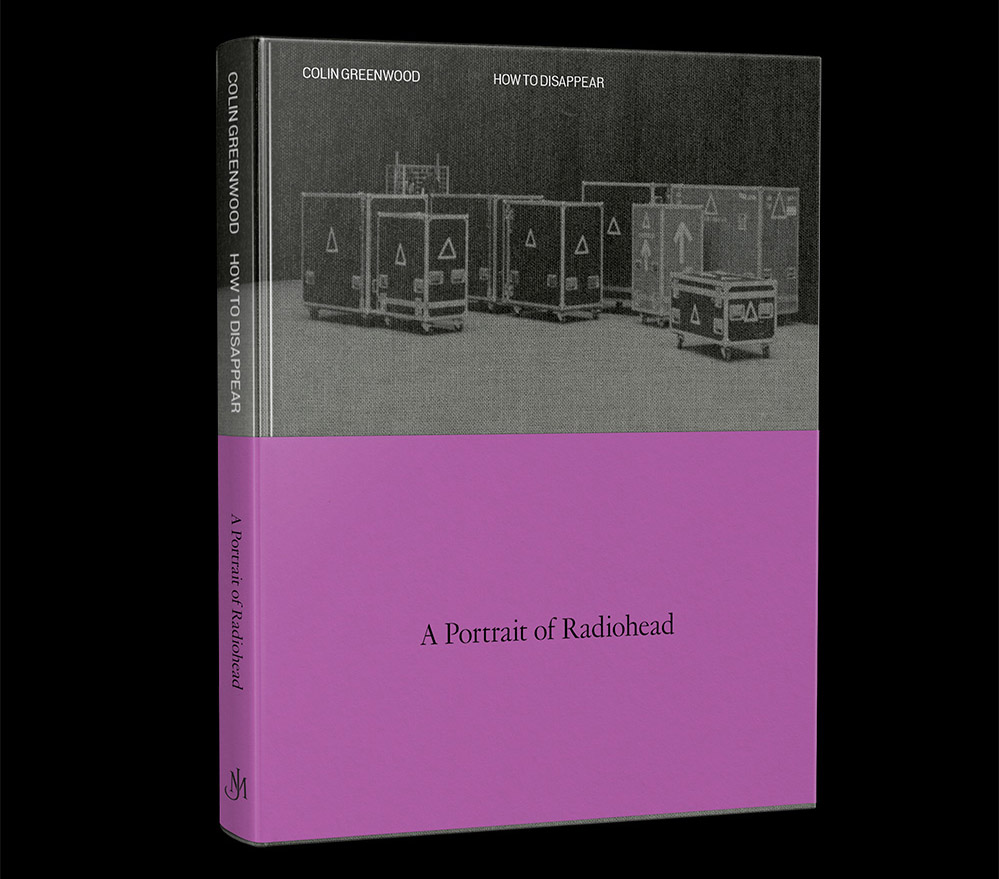
In 2024, Colin compiled some of these photos into How to Disappear: A Portrait of Radiohead. This bassist's records from inside the band allow us to see the people behind those sounds. They have time to wait, pauses in work, and moments when they need to get close to each other again.
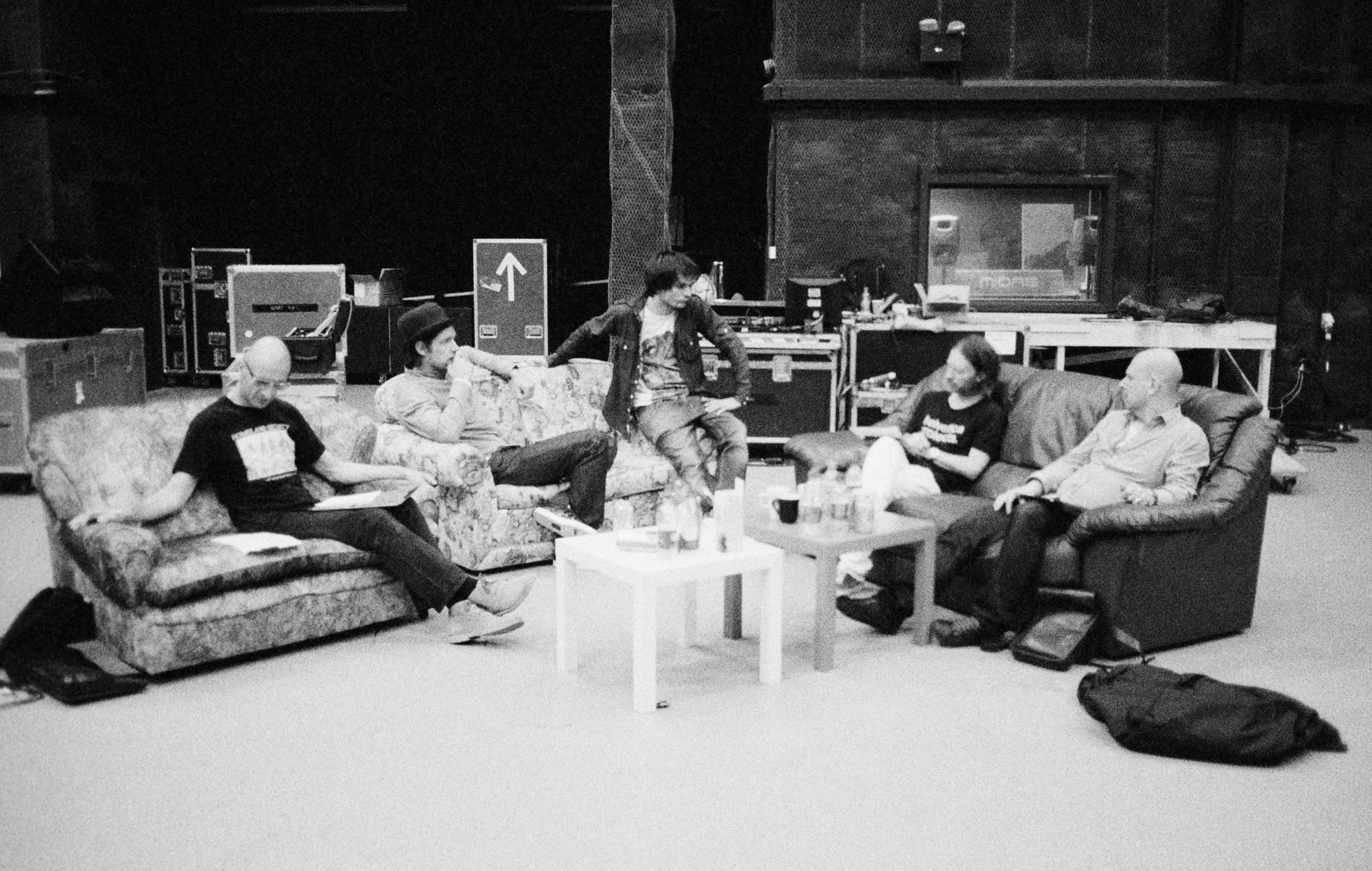
Figure 1 | The band's daily life captured by Colin Greenwood, included in a photo book covering images from 2003–2016. The exact year this photo was taken is not noted on the public pages used.
We often come to know Radiohead through a very intense sound: the guitar that suddenly slices open in "Creep," the sections of "Paranoid Android" that change direction several times, or the keyboard at the beginning of "Everything in Its Right Place" that has no findable edge.
These sounds are far apart from one another. Only by putting them back into the same life do we realize that changing music also means changing how a group of people get along and work. Someone needs to sing the sound out, someone needs to take it apart, someone holds down the rhythm, and someone leaves space for it.
Before that, they first had to find a room where they could rehearse.
1. Friday, There Are Still Empty Spots in the Music Room
In 1985, in Abingdon, Oxfordshire, England. Thom Yorke, Colin Greenwood, Ed O'Brien, Philip Selway, and Colin's younger brother Jonny Greenwood gradually came together through their shared life at Abingdon School. The band that would later be called Radiohead initially used a name like a schedule: On a Friday.
The school was a private school. To understand their starting point, one must see both the constraints brought by the institution and the conveniences brought by resources: they could access instruments, music education, and rehearsal spaces. Decades later, when Colin recalled school, he would still mention how teachers made students listen carefully to a piece of music and notice how the sound itself unfolded.
At a time when records had not yet become files to be searched at will, getting to know music required some concrete entry points. Colin's entry points included his family's records and a small tape recorder. When he learned bass, he would practice along with recordings by Otis Redding and Booker T. The basslines entered his fingers from other people's songs first, and only slowly became his own language.
Ed remembered his first guitar and the Squier he could later afford. For a young person just starting a band, exploring tone first had to face budget; whether an instrument was affordable and playable was more immediate than whether it would one day be written into rock history.
As they grew up, post-punk, new wave, and indie music had already given the guitar many faces. The playing of Johnny Marr, Andy Summers, The Edge, and others gave Ed particularly concrete inspiration: echo, sustain, and repeated figures could all participate in the construction of a song. A guitar could create atmosphere, or leave only a subtle texture somewhere.
Thom had songs to sing, Colin found the place for the bass, Philip joined with his experience as a drummer, and the young Jonny gradually brought in keyboards, other instruments, and guitar. Today we easily see the five as a naturally complete combination, but at first they were still a group of students who needed to be assigned positions.
Graduation, further study, and temporary separation did not end it immediately. They continued to rehearse, write songs, and record demos during holidays and weekends. The shared goal was not yet clear enough to be written into a career plan, but as long as they could still get together next time, the band retained the possibility of continuing.
A band's early years often need to be sustained by this kind of not-so-grand promise.
2. A Song Opened the Door, and Also Left Them at the Doorstep
Entering the 1990s, the commercial position of alternative rock was changing. Nirvana's Nevermind, released in 1991, subsequently topped the US album chart; sounds that had originally grown from underground scenes, independent labels, and small performance spaces gained unprecedented attention from the large record industry.
Major companies were willing to look for new guitar bands. For young musicians, opportunities expanded, and the reference point for success became vivid: a song with enough distinctiveness could pass through radio, television, and record stores and send a name into strangers' lives.
On a Friday signed in 1991, then changed their name to Radiohead, taken from the Talking Heads song "Radio Head." In 1992, "Creep" was released; in 1993, their debut album Pablo Honey came out.
The spread of "Creep" involved a time lag. When first released, it had limited response in the UK; airplay on overseas radio gradually helped it accumulate listeners, and it then returned to the UK to gain greater attention. This detour fits the way records circulated at the time: heat in one region could push another region to rediscover the same song.
The person in the song places themselves at the edge of a social scene, longing to get closer while being held back by self-denial. Thom's voice moves from restraint to exertion, and Jonny's few coarse guitar cuts suddenly give the shyness an almost physical shape. The emotion is exposed to others before it has been properly sorted out.
There was once an anecdote that these guitar parts were accidentally recorded by Jonny during a soundcheck, but producer Sean Slade explicitly denied the "soundcheck" explanation in an interview, saying that this sound was deliberately arranged, and the band repeatedly asked for it to be turned up during mixing. (Interview original text)
This exposure makes it easy to claim. Listeners do not need to know where Abingdon is, nor do they need to grasp the classifications of the British music press. If at some moment they feel they are standing in the wrong place, they may understand this song.
However, once a song becomes popular, it will constantly pull the band back to that recognizable position. Radiohead gained the opportunity to tour, give interviews, and continue recording, while also beginning to face an increasingly practical question: where is the next song that can repeat this success?

Figure 2 | Pablo Honey, 1993. The cover uses the version displayed in the band's official store.
Pablo Honey is often placed in the shadow of their later works today. Listening to it again, one can still hear the energy of a young group eager to push out melodies, and also hear some habits that have not yet been put at a distance. The later sense of space and rhythmic experiments had not yet formed the contours we are familiar with.
What the first record leaves behind is the appearance of when they had just entered professional life. That door has already opened, but the world outside the door keeps demanding that they explain the same name.
3. John Leckie Helped Them Take Back Time
When recording their second album, producer John Leckie faced a band carrying the pressure of fame.
In a 1995 interview, he recalled that the record company initially wanted a single that could follow up "Creep" first. The band could not decide, the list of candidate songs grew, and the recording became tense along with it. When the company or management team came to hear the progress, they might still be working on the drum sound. Later, the demand to deliver a single first was set aside, and the studio gradually gained room to loosen up.
This sounds small, but it touches the core of music production. A work has its own pace of completion. An external schedule demands a result, while what the performers need to find may simply be how a certain melody should land, or when a certain sound should recede.
With 1995's The Bends, Radiohead learned to place emotion with more layers. "Fake Plastic Trees" slowly gains weight from a melody that could almost be sung alone; "Just" pushes the friction between guitars to the front; and the repeatedly flowing figure of "Street Spirit (Fade Out)" leaves the ending in a cycle that is hard to escape.
There are still clear songs here, with passages that can be remembered and sung along to. Different instruments have already begun to have their own distances, the soft parts can last longer, and therefore the fierce entrances are more effective.
Another long-term partner came closer to them at this stage. Stanley Donwood, whom Thom met at the University of Exeter, worked with him to build a visual language for the records. The two went to John Radcliffe Hospital in Oxford to look for image material and ultimately photographed a resuscitation training dummy; after processing through image and screen, it became the upturned face on the cover of The Bends.

Figure 3 | The Bends, 1995. The cover collaboration between Stanley Donwood and Thom Yorke turned a medical training dummy into the album's visual subject.
That face makes it hard to determine what it feels. Between pain, relaxation, breathing, and losing breath, the boundary becomes blurred. It does not provide an explanation for each song, yet it connects with the feeling of the body under pressure in the record.
There was also a young engineer in the studio, Nigel Godrich. At this point, his name was not yet firmly tied to Radiohead's future. Through this work he became familiar with the five of them and gradually became someone who could judge sound together with them.
After a record is finished, what remains sometimes also includes the relationships needed for the next record.
4. In 1997, Noise Came from a Bright Prospect
In 1997, Tony Blair led the Labour Party to victory in the UK general election. Political language was full of promises of renewal, and popular culture was also given the enthusiasm to depict the country's new image. People talked about the future, about efficiency, about the vitality Britain had regained.
The same year's OK Computer left another feeling within this picture.
Radiohead's life had already been changed by touring. Highways, airports, hotels, interviews, and the next stop formed a working environment of constant movement. A person could easily keep arriving in new places, but it was hard to truly stop anywhere. Technologies and transportation systems that expanded connections also handed the body over to schedules more frequently.
These experiences help us understand the sense of alienation in the record. It meets the technological optimism, consumer language, and global mobility of the late twentieth century, leaving behind many small discomforts: a life prescribed too neatly, noise that cannot be escaped, and the things that stand between people.
The trust Godrich had built during The Bends began to become the foundation for this recording. In 1995, they recorded "Lucky" for the War Child charity compilation, and then continued working together on their third album. Part of the recording took place at St Catherine's Court, a country mansion, and the different echoes of the old rooms also entered the work.
In a radio interview at the time, Colin talked about how the environment of a room affects the reactions of the performers. Microphones record the instruments, but also record the way the instruments get along with the space. This way of working gave OK Computer a strange tactile quality: many of the things that sound close to the future come from the sounds produced when a person is in a real house.
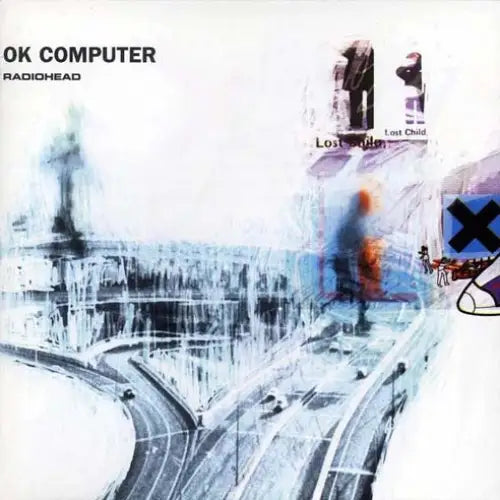
Figure 4 | OK Computer, 1997. Roads, text, and processed images form a space on the cover that is difficult to view with stability.
"Paranoid Android" links several different pieces of music together, with emotions passing through multiple rooms, suddenly narrow, suddenly open. Colin's bass and Philip's drums maintain a thread the body can follow through the changes; Jonny's guitar makes certain turns sharp, while Ed's sound textures fill the gaps that are hard to name.
"No Surprises" has a clarity close to a lullaby, and its gentle surface makes exhaustion feel more concrete. "Fitter Happier" places computer-processed language in the middle of the record; the demands of daily life are spoken one by one, with a tone so steady it is unsettling.
Today we can understand this record through smartphones, algorithms, and a life of constant online presence, but that resonance belongs to later. In 1997, Radiohead wrote about the pressure they could already feel at the time. Technology names update, but the feeling of being required to run at all times easily crosses eras.
Donwood and Thom repeatedly used scanning, collage, and image processing to give this unease an appearance that could be held in the hand. For Donwood, OK Computer was also the first time he fully immersed himself in the production process of an album. He listened as the music was tried, overturned, and re-recorded, and then looked for images in those sounds. The mood of the cover slowly took shape together with the work in the studio.
During that time, images of the aftermath of nuclear war occupied his imagination. He later recalled that when he looked out the window at Thom's house, he had a恍惚 moment where he saw the scenery before him as a world after a nuclear attack: trees lost their tips, the sky became strange, and all around was a pale emptiness. This is his description of how he felt while creating. The large areas of white on the cover therefore carry associations of bones and ash.
The two also set a specific rule for themselves: not to use the computer's "undo" function. Mistakes could only be erased or painted over, leaving the traces of handling in the image. Donwood was fascinated by the feeling of having glimpsed something out of the corner of the eye, only for it to disappear when turning to look; repeatedly altered images gave familiar things a distance that was hard to confirm.
Looking at the cover again with these details, the road is still there, but the surroundings seem to have had the warmth of life wiped away. We can see it as another entrance outside the music: touring makes people constantly pass through cities, and the images make those places gradually lose clear outlines. After looking for a long time, one wants to find an exit.
The record received praise, and the tour continued to expand.
For the people who made this record, the exit also gradually became a question.
5. Ed O'Brien Puts Down a Familiar Gesture
After OK Computer, Radiohead had to face the exhaustion brought by success. Thom became resistant to his existing way of writing songs, and electronic music and works leaning more toward sound structure began to offer him new interests.
The recordings between 1999 and 2000 later became Kid A and Amnesiac. The five entered the same period of work, but did not start out standing on the same clear map. Skill can sometimes bring people back to the past, and this time, they wanted to leave the place where they had already done well.
For Ed, this change was especially concrete. His main tool was the guitar. When a band famous for guitar music begins to change how sound is organized, a guitarist needs to answer anew what he can contribute.
He pushed sustain, effects processing, and texture further. Notes could be stretched out, the attack of a pluck could become blurred, and the guitar gradually melted into a sound whose source was hard to distinguish. Many times, listeners are still hearing him play, but they can no longer immediately identify it as a guitar in the usual sense.
Philip was changing too. Drum performances could be cut into fragments and then formed into loops; rhythmic ideas could come from any member. A drummer's contribution therefore existed both in live performance and in recorded material. He needed to hear how his fragments, after being recombined, worked with the sounds of others.
Godrich once organized them into groups to experiment, temporarily avoiding the usual guitar and drums and letting electronic devices enter the work. The results included many useless things, as well as parts that could stay. This method temporarily lowered the pressure to finish a song and gave unfamiliar approaches a chance to appear.
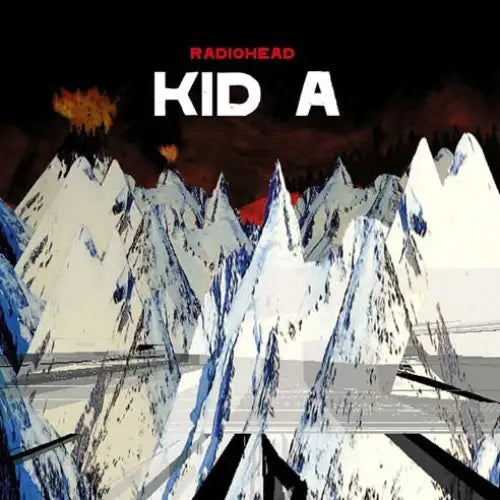
Figure 5 | Kid A, 2000. The cold, fractured mountain imagery is juxtaposed with the transformed sounds on the record.
When "Everything in Its Right Place" begins, the keyboard offers a shape that can linger, while the vocals are constantly sliced and fed back. The lead singer's voice becomes material, sounding both close and as if carried away by some device.
"The National Anthem" lets a repeated bassline and crowded brass press against each other; "How to Disappear Completely" unfolds drifting strings around the vocal line; the rhythm of "Idioteque" gives unease a pulsing body. They are far apart, yet connected by the same unresolved feeling.
In 2000, Kid A was released and topped the US album chart. For a band that had already achieved fame, having listeners willing to follow such a change was a rare space. It also led more people who had originally come to music through rock toward the doorways of electronic music, jazz, and modern composition.
2001's Amnesiac continued to present another side of that recording period. The piano and rhythm of "Pyramid Song" hover, while "Knives Out" retains a fine-grained guitar connection. The relationship between the two records is best understood by placing them back in the same studio: material produced in the same period was organized into two different listening journeys.
Looking back at this turn, the most significant change happened between people. They allowed a song to need only the voices of some members, allowed familiar roles to be temporarily left open, and allowed others to transform their own labor into something else.
When five people are willing to give up their original positions, new ways of collaborating and new sounds have room to grow, and Radiohead underwent a rebirth within it.
6. The World's Shadow Falls on a Work Blackboard
In 2003, Hail to the Thief was released. The security discourse after 9/11, the disputes in American politics, and the unease before and after the Iraq War formed the background against which it was heard.
This timeline needs to be placed accurately: much of the recording had already taken place in 2002, so the entire work cannot be taken as an immediate response after the outbreak of war in 2003. When Thom and Jonny talked about it at the time, they also spoke of fairy tales, shadows, and uncontrollable forces. After politics entered the songs, they still retained the shape of dreams and personal feelings.
The band wanted to work more directly. Recording in Los Angeles brought the energy of playing together back to the fore, while the electronic processing they had learned earlier remained within it. "2 + 2 = 5" presses from restraint toward eruption, "There There" builds pressure through repeated percussion, and the language of "A Wolf at the Door" is like an unstoppable chase.
Colin photographed the blackboard during the recording of this album. It was densely covered with work items. Placed in music history, we call it a phase; placed back in that room, it is a batch of things still needing to be dealt with.
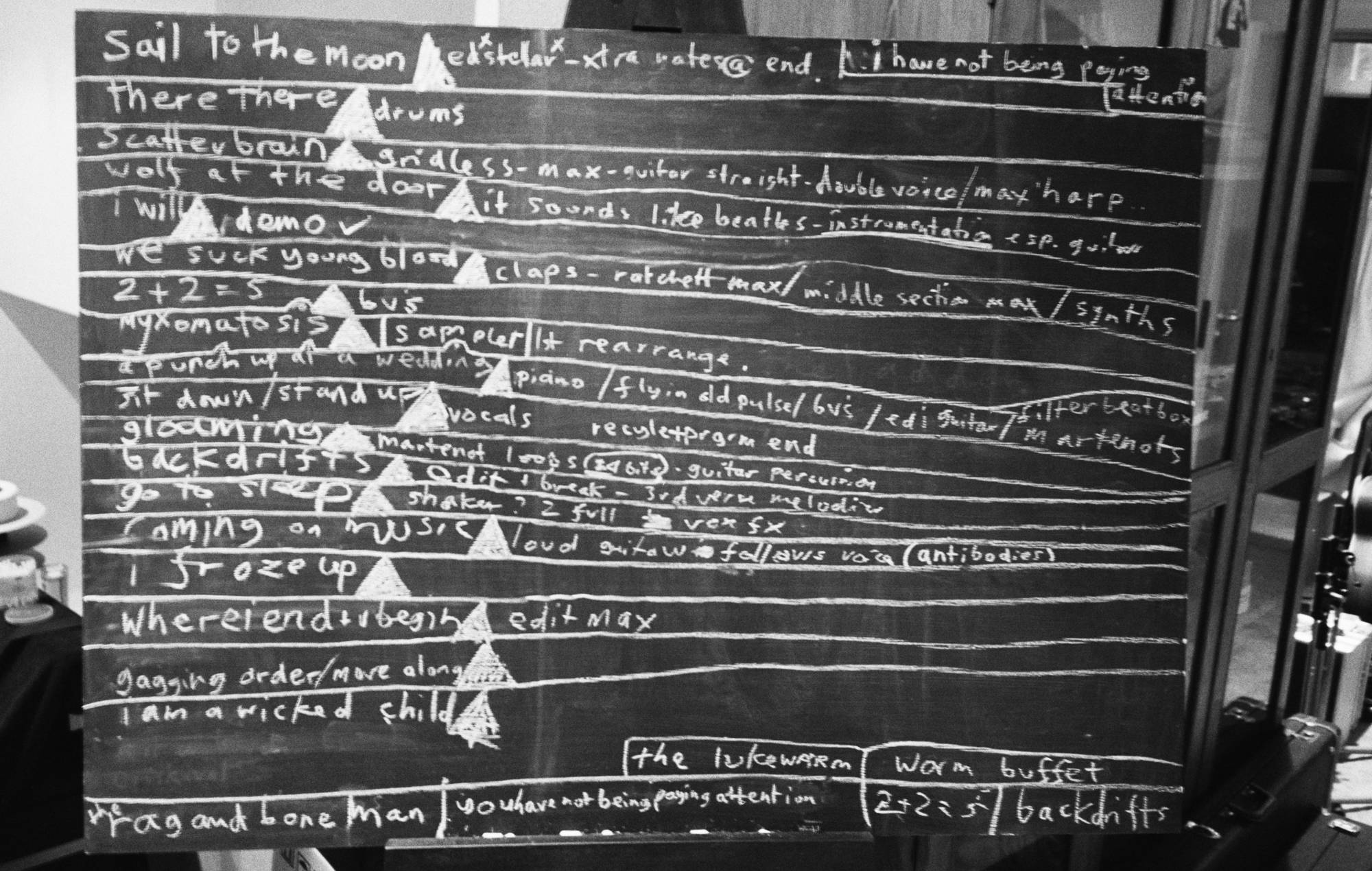
Figure 6 | The blackboard during the recording of Hail to the Thief. Photo: Colin Greenwood, later included in How to Disappear.
Such details make Radiohead's experimentation understandable. Changing sound requires rehearsal, selection, and repeated discussion, and remembering what still hasn't been done well. The outside world easily remembers a beautiful turn, but those who make it have to deal with a series of trivial decisions.
The visuals formed during the same period also compressed much public language into a square cover. Words crowd together, like signs on a commercial street, or like the information received every day. The more you look, the harder it is to let your attention settle in one place.
The pressure brought by modern life is recorded here in two ways: the ever-approaching sounds in the songs, and the work still to be completed on the blackboard. The former belongs to the work; the latter reminds us that the people making the work also live within it.
7. Colin's Bass Lets an Old Song Begin Again
On October 10, 2007, In Rainbows met listeners as a download. Buyers could decide the amount to pay themselves, including zero. Afterwards, the record continued to be released through physical versions.
This happened in an era when music circulation had already been changed by the internet. Files could spread quickly, and record companies, relying on pre-arranged promotion followed by concentrated release, found it increasingly difficult to control the moment a work reached listeners. Radiohead had ended their old contract at the time and had also accumulated years of listeners; these conditions allowed them to try arranging the release themselves.
In a conversation with David Byrne, Thom clearly mentioned the circumstances on which this attempt relied. Understanding it as a mature band's use of its own conditions is more accurate than promoting it as a universal answer for all musicians. One pay-what-you-want release also does not mean that creation, recording, and performance suddenly have no costs.
However, the true lasting power of the record still comes back to the ten songs within it.
"Nude" had gone through years of attempts before being officially included on this album. Godrich recalls that a breakthrough for the song was related to Colin finding a new bassline. The bass changed its center of gravity, and only then did the other parts gradually find their proper place.
For a band always represented by the images of its lead singer and lead guitarist, this detail is worth pausing over. The bass can carry both rhythm and melody, letting a song move forward and also giving it breath. Listening to "Nude," the bass does not seize the most conspicuous position, yet it gives the floating vocals something to lean on.
The appeal of In Rainbows also comes from this closeness. Drumbeats, fingers, and breath feel warm again, and complex arrangements merge into movements the body can feel. "15 Step" skips forward, the guitars of "Weird Fishes/Arpeggi" interlace layer by layer, and "Reckoner" unfolds amid light percussion.
Its beauty does not require listeners to first understand the production methods. On first listen, you can just follow the rhythm; after a while, you notice a melody that has been appearing at the edges all along. The band already has enough experience to make difficult things sound effortless.
This effortlessness still relies on collaboration. Godrich needs to keep the members willing to continue experimenting, and also to make judgments later on. Working with people who have known each other for years and each have their own convictions, patience and clarity are equally important.
In Rainbows briefly loosens the tense grip on Radiohead's story. Listeners are allowed to come closer, and the five members rediscover a shared body in the sound.
8. Philip Selway Brings the Loop Back to the Stage
The 2011 album The King of Limbs pushes the interest once again toward rhythm, loops, and the layering of sound. Short fragments keep returning, and subtle changes happen within the repetition. It demands a kind of attention different from waiting for a big chorus to arrive.
Listening to "Bloom," you can first follow those movements that do not fully coincide. Repetition makes you gradually familiar, while the offset keeps the body alert. "Lotus Flower" places vocals and bass into a continuously swaying structure, with sound growing around a limited space.
What can be layered in the studio needs to be reorganized by real bodies on stage. The band invited drummer Clive Deamer, who has worked with Portishead and others, to perform, and the two drummers handle these complex rhythmic relationships together.
Philip's position thus becomes clear: he must be stable while also hearing what the other drummer is doing. Repeated patterns, passing through two people's hands, reveal differences in breath, dynamics, and placement. The loops from the recording regain a human scale live.
This is also what makes watching The King of Limbs: From the Basement interesting. The camera lets us see who produces the sound and who takes over the next part. Structures that seem to run by themselves aurally actually depend on a series of gazes, waits, and precise entrances.
The form of a rock band is stretched wide here. Guitars, computers, samples, and two drum kits can serve the same song. What most needs protecting is still how different people complete it together.
9. Jonny Greenwood Brings Strings into the Room
Jonny's exploration of orchestral music and film scoring gradually became a long path outside Radiohead. He collaborated with director Paul Thomas Anderson, writing music for films such as There Will Be Blood. This work keeps him thinking about how instruments create tension, and how sound changes the temperature of an image.
On the 2016 album A Moon Shaped Pool, the strings and choir he wrote and had performed by the London Contemporary Orchestra became a vital part of the record. Those sounds carry weight and friction; they can drive rhythm and also change our sense of space.
The strings of "Burn the Witch" carry an urgent motion; the piano of "Daydreaming" moves slowly, while surrounding sounds seem to gradually open deeper rooms. By "True Love Waits," a song that had long existed live, it acquires a new studio form.
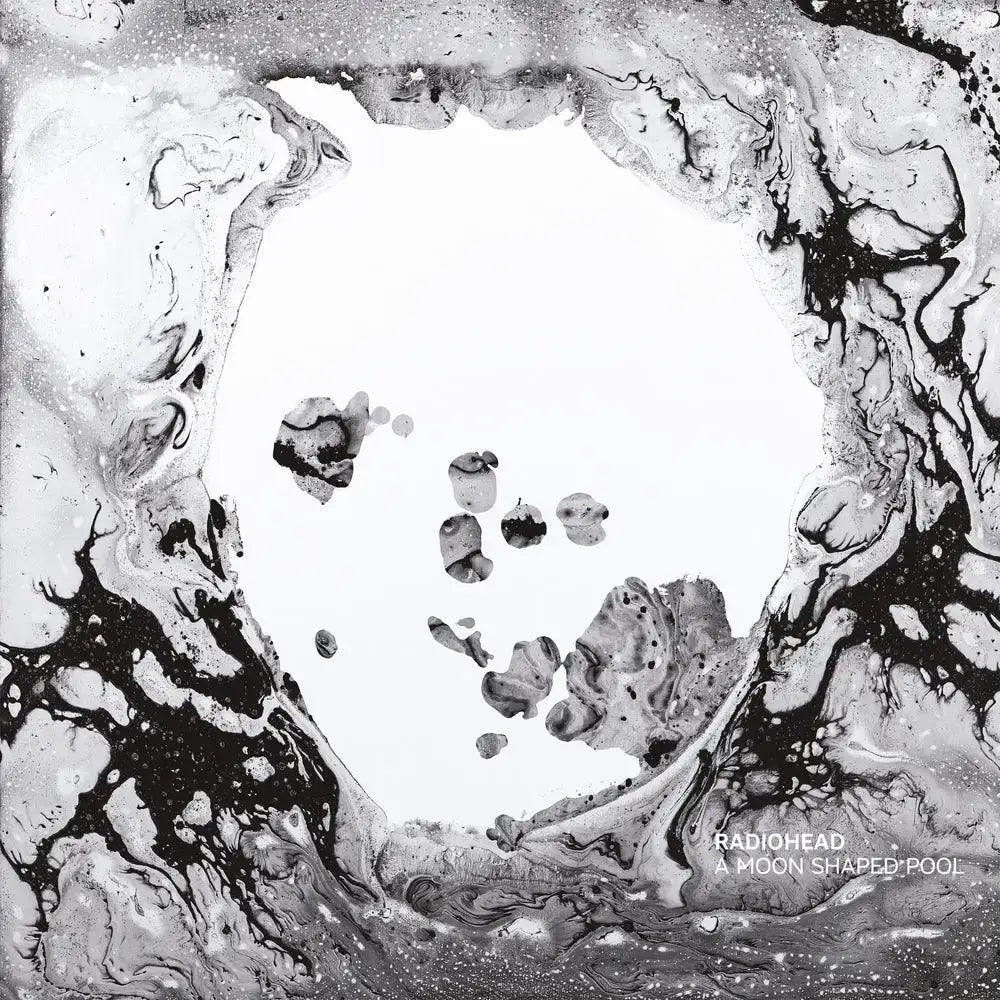
Figure 7 | A Moon Shaped Pool, 2016. The flowing textures of the cover come from the visual collaboration between Thom Yorke and Stanley Donwood.
Those who have listened to a band for a long time feel the weight of time here. Familiar songs can linger for years, waiting for another treatment; the anxiety of youth may also be preserved, only with changed volume, speed, and expression.
This record is often heard as a work about loss. Regarding the relationship between personal life and specific songs, the space left by public materials should be preserved. Music allows listeners to feel sorrow without requiring us to fill in every private experience on the author's behalf.
Thom's voice is still recognizable, yet carries a distance different from "Creep." The early intensity let us hear a body eager to be accepted; here, many pauses give us time to hear how a person coexists with things that cannot be immediately resolved.
The five did not stop on the same path. They each participate in solo work, film scores, and other collaborations, and Thom and Jonny also continue working in The Smile. These branches give the shared history more outlets.
As of September 2026, when this article was compiled, Radiohead's official website has announced 2027 performance dates in Australia and Japan. Whether there will be a new studio album in the future should still await clear news. For this story, being able to reunite and play those songs again is itself a kind of continuation.
10. Keep These Records, Keep Radiohead
Radiohead's records cross the boundaries of alternative rock, art rock, electronic music, and orchestral music. Below is an order of "first get to know this band, then expand around it," as a listening route you can walk again and again.
For a first listen, you can choose one from The Bends, OK Computer, or In Rainbows. If you like melodies and guitars, start with The Bends; if you want the complete atmosphere of an era, set aside a continuous stretch of time for OK Computer; if you want to get close to the sound first, In Rainbows is usually a gentle starting point. After that, put Kid A and Amnesiac together and hear how the same period of exploration split into two paths.
Radiohead: Nine Records, Nine Reassignments of Position
Start with Creep, You, and Blow Out. The directness, roughness, and melodic impulse of their debut are all here; placing it before their later works makes it possible to clearly hear the process of the band gradually expanding their sonic layers.
An essential entry point for the guitar era. Start with Fake Plastic Trees, Just, and Street Spirit (Fade Out): soft singing, sudden outbursts, and recurring flowing figures begin to have their own spaces.
It is recommended to listen in the original track order. Paranoid Android, Let Down, and No Surprises reveal unease at different scales, and the pauses and transitions between tracks also form part of the experience of this album.
Focus on texture and rhythm. Everything in Its Right Place, How to Disappear Completely, and Idioteque open different entrances for vocals, strings, and electronic sounds.
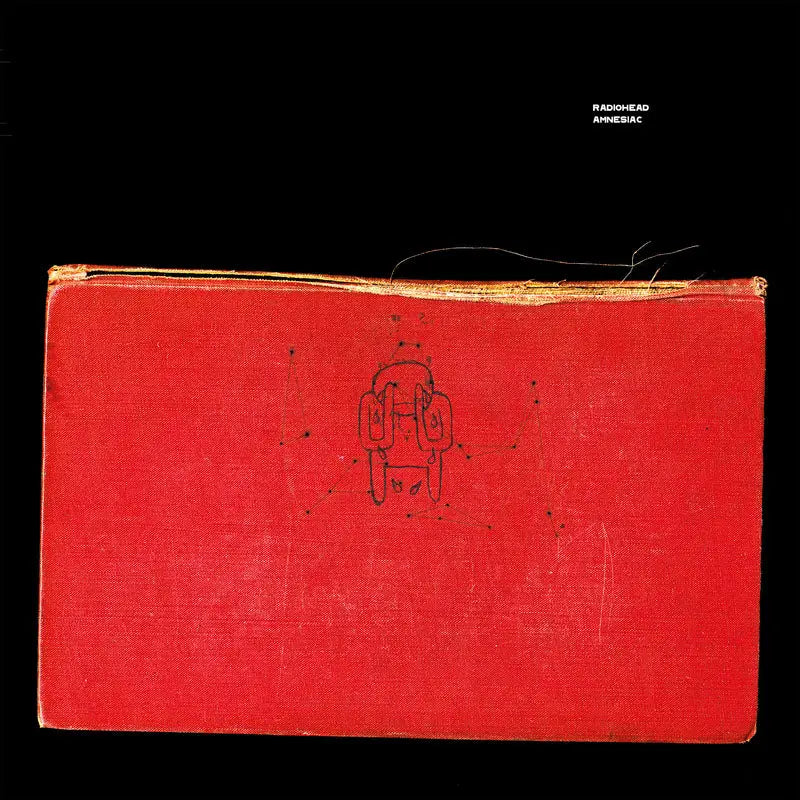
Listen alongside Kid A to discover another side of the same recording period. Pyramid Song, Knives Out, and Life in a Glasshouse offer feelings of suspension, tightness, and congestion respectively.
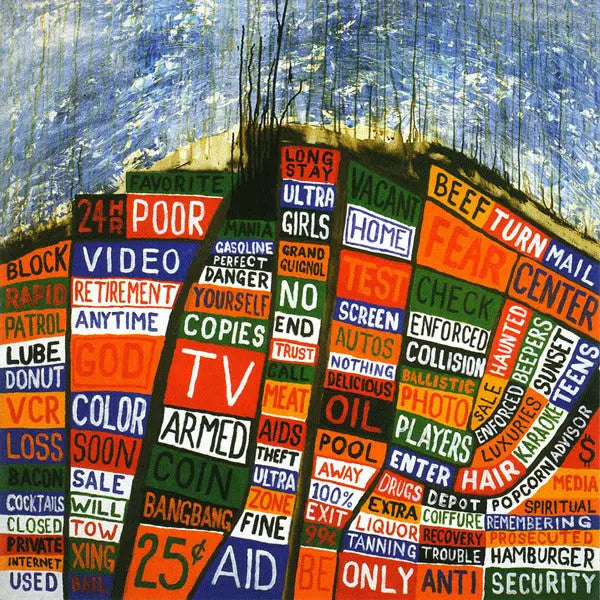
Enter through 2 + 2 = 5, There There, and A Wolf at the Door. Guitar propulsion, electronic rhythms, and dense language intertwine, making it suitable to listen for how sound accumulates pressure.
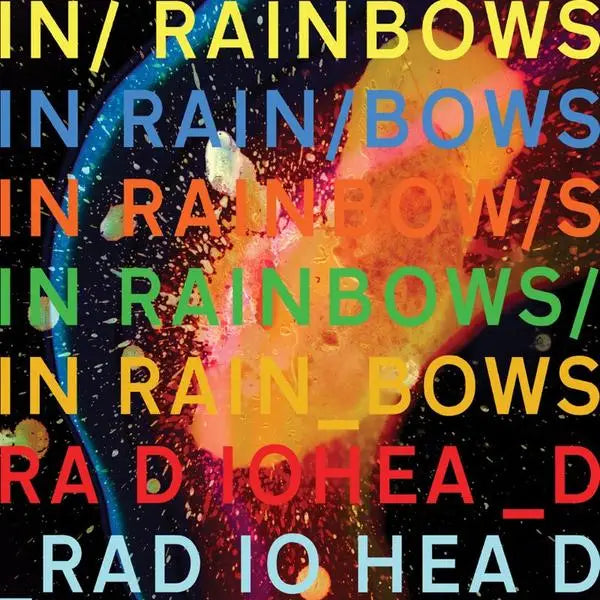
The album best suited for getting close to rhythm and the body. Start with Nude, Weird Fishes/Arpeggi, and Reckoner, then notice how bass, drums, and guitar keep each other light.
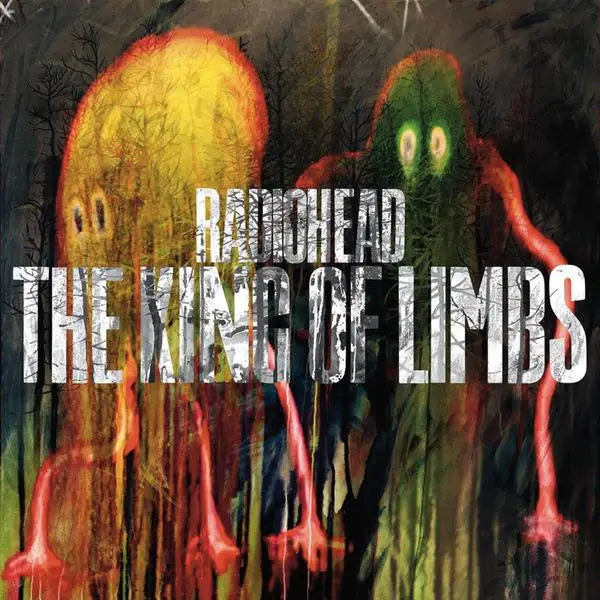
It is recommended to pair it with the From the Basement performance footage. The loops in Bloom, Lotus Flower, and Separator become easier to identify live, and you can hear how the same material is reassigned.
Strings, piano, and vocals leave a wide distance between them. Burn the Witch, Daydreaming, and True Love Waits are suited for quiet listening; pay attention to dynamics, pauses, and the slowly changing shapes of sound.
Alternative Rock Extensions: Three More to Hear
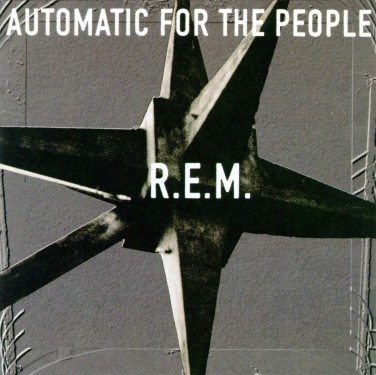
These three records offer adjacent coordinates: Pixies' shifts between loud and soft, Nirvana's power in bringing abrasive sound into the mainstream, and R.E.M.'s melodies that make room for fragility and reflection. They help make audible the musical environment Radiohead inhabited; the influence between specific works still needs to be identified one by one, without writing every similarity as direct inheritance.
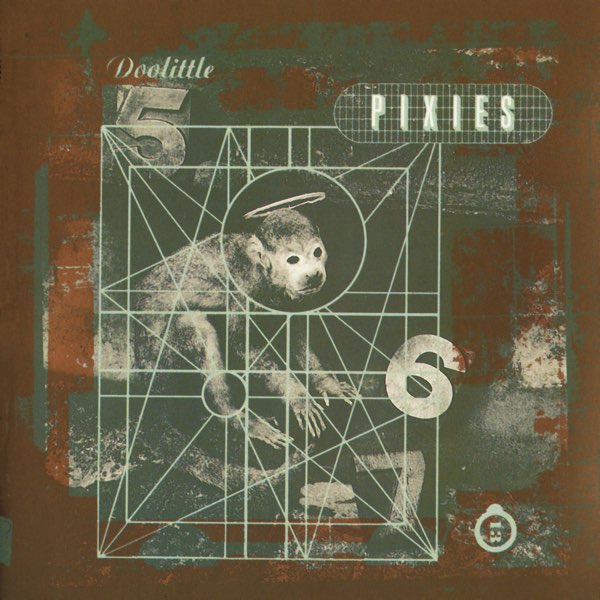
An essential alternative rock coordinate. Recommended: “Debaser,” “Here Comes Your Man,” “Monkey Gone to Heaven”; bright melodies, sharp guitars, and sudden shifts in dynamics can coexist on the same record.
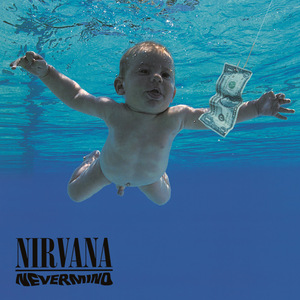
A key work for understanding alternative rock's entry into the mainstream. Listen to “Smells Like Teen Spirit,” “Come as You Are,” “Lithium,” and feel how melody combines with distortion, abrasiveness, and an almost失控 intensity.
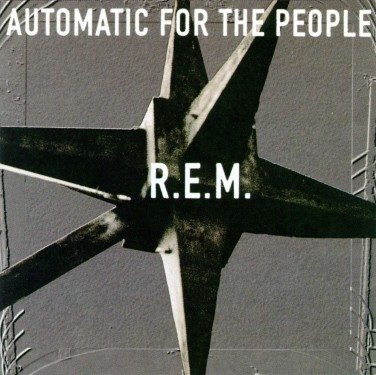
Another kind of introspection that can open onto vastness. Recommended: “Drive,” “Everybody Hurts,” “Nightswimming”; between slowness, fragility, and tenderness, hear how rock songs can bear the weight of time and loss.
When first listening to these records, there is no need to rush to pick the best one. Our relationship with a band often changes slowly with life. At one stage you need volume; at another you only want to hear one bassline clearly; passages that once felt long may later fit exactly into an afternoon.
Turning back to Colin's photo book, those sofas, equipment, and hours of waiting seem a little more familiar. A famous sound was once just an attempt in a room, and someone had to be willing to keep listening, keep changing, keep working with the people around them.
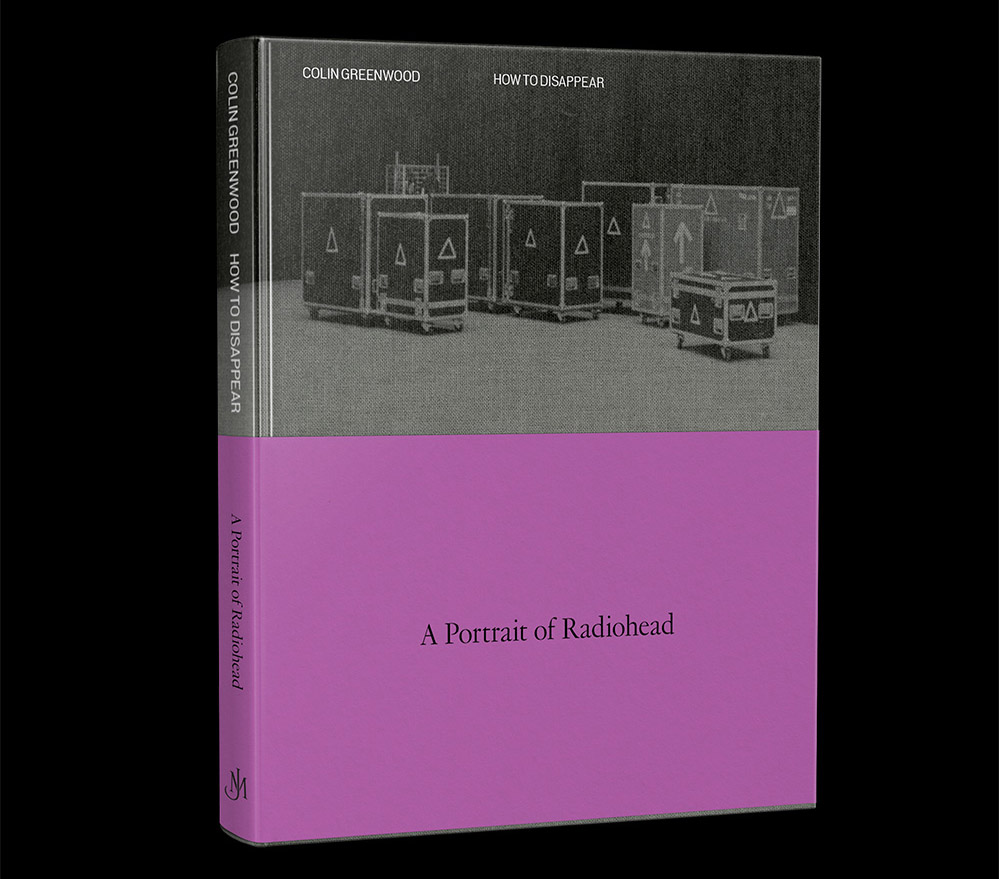
Figure 8 | How to Disappear: A Portrait of Radiohead, published in 2024. Cover image from the book's official website.
From a music classroom in Abingdon to studios and stages around the world, this shared room has changed addresses many times.
The next time you play Radiohead, try listening to what is behind the singer: how the drums pause for a moment, how the bass holds up the melody, how a guitar sound you can barely recognize appears, and how it recedes.
The story of five people also remains in these spaces they yield to one another.
References
- Stanley Donwood in conversation with Darren Wall, Thames & Hudson, 2019-11-02: The relationship between the OK Computer imagery and the recording process, nuclear war imaginings, and the creative rule of not using "undo."
- Stanley Donwood interview, Huck: Associations with landscapes during the cover's creation, and the connection between white and bones and ash.
- Colin Greenwood, Design Matters interview, 2024: Family listening, school music education, and the members' early division of roles.
- Rock & Roll Hall of Fame: Radiohead, David Fricke, 2019: Forming the band, the album lineage, and the members' relationships.
- John Leckie: Diary of an LP, Melody Maker, 1995-04-22: The Bends recording; the link is an archive of the original magazine interview.
- Ed O'Brien, MusicRadar interview, 2017: Guitar, budget, and tonal exploration.
- NPR 1997 interview with Colin Greenwood and Ed O'Brien, republished by GBH: The space and song structures of OK Computer.
- Hi-Fi News: OK Computer Production Notes: "Lucky" and the recording location.
- Lauren Zoric: Thom Yorke interview, Juice, 2000: The creative situation before and after Kid A; archive of the original magazine interview.
- Excerpts from interviews with Radiohead members: Kid A Recording Process: Rhythmic loops, group experiments, and recording roles.
- John Robinson: Radiohead interview, NME, 2003-05-03: The creative background of Hail to the Thief.
- David Byrne in conversation with Thom Yorke, WIRED, 2007: The conditions and limits of self-releasing; sales estimates in the text that were not confirmed by the band are not used.
- Nigel Godrich on Nude, 2008: The many attempts at "Nude" and the bass line; archive of the producer's recollections.
- Colin Greenwood, Pitchfork interview, 2008: Methods of working with Godrich.
- Hugh Tieppo-Brunt: recording catalogue: London Contemporary Orchestra's performance on A Moon Shaped Pool.
- Ashmolean: This Is What You Get exhibition materials, 2025: Donwood, Yorke, and the album imagery; public exhibition materials are used.
- LSE Library: The Labour Party and the 1997 General Election: The British political background.
- Nirvana official timeline: The background of Nevermind's release and chart entry.
- Radiohead official website: 2027 performance announcement; accessed 2026-09-17.
- Colin Greenwood: How to Disappear: A Portrait of Radiohead, 2024: References the book's official introduction and the publicly available selected images below; the unread full book content is not used as evidence.
- NME: Colin Greenwood photo book interview and selected images, 2024-10-17: The photographic scope of the book and the sources of Figure 1 and Figure 6.
Image Credits
Main text images 1 and 6 photographed © Colin Greenwood, image 8 is a book cover; Radiohead album covers come from the W.A.S.T.E. official store, with copyright belonging to the respective rights holders. They are listed below in the order of the main text images and recommended records. Recurring album covers share the same source.
- Image 1 | Band daily life: Source · Open image.
- Image 2 / Recommendation | Pablo Honey: Source · Open image.
- Image 3 / Recommendation | The Bends: Source · Open image.
- Image 4 / Recommendation | OK Computer: Source · Open image.
- Image 5 / Recommendation | Kid A: Source · Open image.
- Image 6 | Recording blackboard: Source · Open image.
- Image 7 / Recommendation | A Moon Shaped Pool: Source · Open image.
- Image 8 | Photo book cover: Source · Open image.
- Recommendation | Amnesiac: Source · Open image.
- Recommendation | Hail to the Thief: Source · Open image.
- Recommendation | In Rainbows: Source · Open image.
- Recommendation | The King of Limbs: Source · Open image.
- Recommendation | Doolittle; released by 4AD, Apple Music cover: Source · Open image.
- Recommendation | Nevermind; cover as shown in the Sub Pop catalog: Source · Open image.
- Recommendation | Automatic for the People; R.E.M. official discography page: Source · Open image.